

By Flata Kavinga
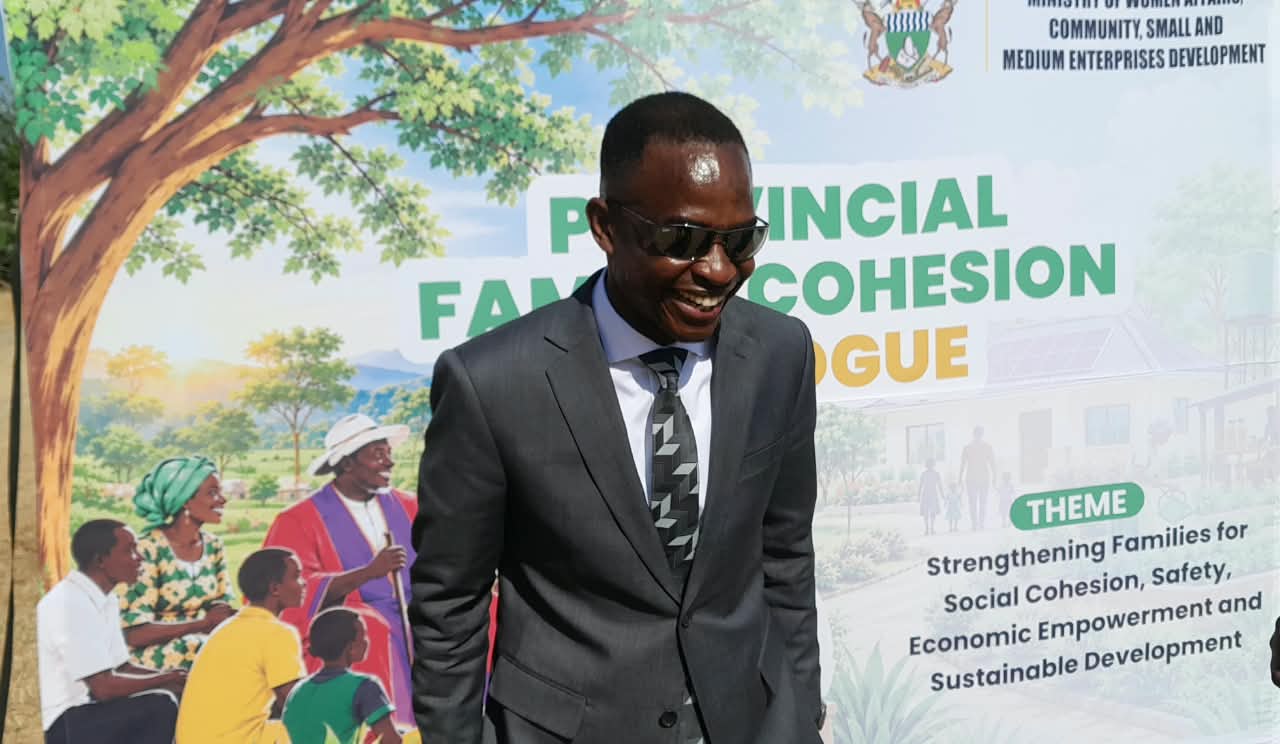
The deputy minister of Women Affairs, Community, Small and Medium Enterprises Development Kiven Mutimbanyoka says family cohesion is critical to economic empowerment and community development.
Speaking to journalists of the sidelines of the Midlands Provincial Family Cohesion Dialogue held in Ngigeni, Zhombe, he said strong and harmonious families provided a foundation for communities to pursue economic development, adding that conflict within families could undermine efforts to improve livelihoods.
“Economic empowerment does not come through when people are fighting every other day. Economic development will never come through when there is no decency and a platform for them to actually interact in harmony as a family,” Mutimbanyoka said.
He said the ministry was using family cohesion dialogues to engage communities on peaceful coexistence and provide support aimed at improving livelihoods.
“We are here emphasising the importance of family. We are here emphasising the importance of living together as a family, as a country,” he said.
Mutimbanyoka said families that lived harmoniously were better placed to focus on improving their livelihoods and contributing to community development.
He added that the ministry’s mandate went beyond awareness programmes, saying it also provided training, financial support and access to markets to facilitate economic empowerment.
“As a ministry, we go beyond just coming up with the programme. We also train, we also provide finances, we also provide markets,” she said.
The minister said such interventions were intended to help communities become economically productive and contribute to national development.
Mutimbanyoka also linked the programme to President Emmerson Mnangagwa’s “leaving no one and no place behind” mantra, saying the ministry’s presence in Zhombe demonstrated its efforts to reach communities outside major urban centres.
He said the family cohesion initiative would be replicated in other communities.
“We are going to do the same and replicate to all the communities because we believe we are there to work and to look after our people, after our communities and to make things happen within our communities,” he said.
Mutimbanyoka thanked traditional leaders for providing platforms where communities could gather and engage with government programmes.
He said traditional leaders were important partners in facilitating community dialogue and supporting initiatives aimed at improving people’s livelihoods.