
By Flata Kavinga
Leonard Cheshire Disability Zimbabwe has called for the removal of physical, institutional and attitudinal barriers that hinder the full participation of persons with disabilities, urging stakeholders to prioritise inclusion in all sectors.
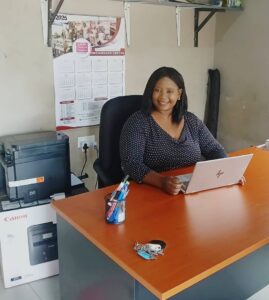
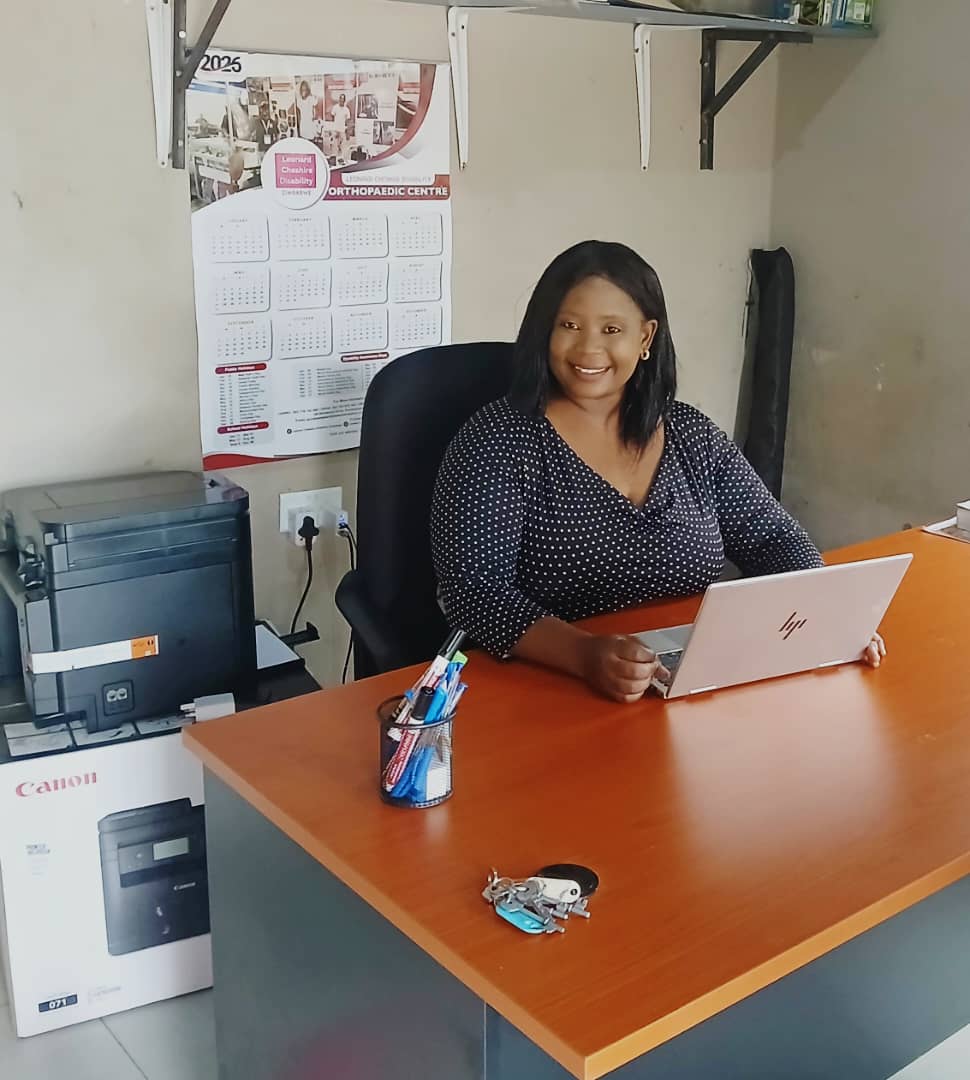
The organization’s projects officer Wandile Masuku said this in an interview with this publication on the sidelines of a two-day African Disability Protocol training workshop held in Kwekwe, which brought together five Organizations for People with Disabilites (OPDs) as well as the Department of Social Development to strengthen awareness of disability rights.
She said the African Disability Protocol (ADP) provides a framework tailored to the continent’s unique social and cultural context, complementing existing international instruments such as the United Nations Convention on the Rights of Persons with Disabilities.
“The African Disability Protocol is an African-focused legal framework that seeks to protect and promote the rights of persons with disabilities, taking into account local beliefs, traditions and challenges,” Masuku said.
She said the training aimed to equip disability organisations with knowledge of the protocol and empower them to advocate for policy changes that address exclusion.
Participants were also equipped with advocacy, leadership and governance skills.
Masuku stressed the need for non-discrimination, equal access and full participation of persons with disabilities in society.
“We are saying there should be inclusion, access and empowerment. If a person with an impairment cannot access a service, it means there is a barrier that must be removed,” she said.
She highlighted inaccessible infrastructure as one of the major challenges, noting that buildings without ramps or alternative access points limit mobility for wheelchair users.
“We should not have buildings that exclude people. Public institutions, shops and hospitals must be accessible to everyone,” she said.
Masuku also underscored the importance of accessible information, including the use of Braille for people with visual impairments.
She said disability is often compounded by environmental and societal barriers rather than the impairment itself.
“A person may have an impairment but it is the barriers that make them disabled. Removing those barriers promotes inclusion,” she said.
Masuku added that addressing negative attitudes and institutional gaps was critical in ensuring equal opportunities.
Leonard Cheshire Disability Zimbabwe is implementing the United for the African Disability Protocol (U4ADP) project in partnership with organisations in Zambia and Malawi, with support from the European Union.
In Zimbabwe, the project is being carried out in districts including Kwekwe, Shurugwi, Insiza, Chiredzi, Beitbridge and Masvingo.
Masuku called on government, community leaders and other stakeholders to work together to advance disability inclusion.
“It takes a collective effort to ensure that no one is left behind in development,” she said.