
By Flata Kavinga
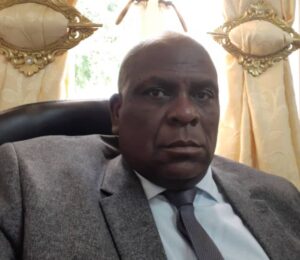
Kwekwe Polytechnic principal Evans Musara has urged workers approaching retirement to acquire practical skills that can enable them to establish income-generating projects and remain productive after leaving formal employment.
Musara said technical and vocational training offered opportunities for people of all ages to develop skills they could use to sustain themselves during retirement.
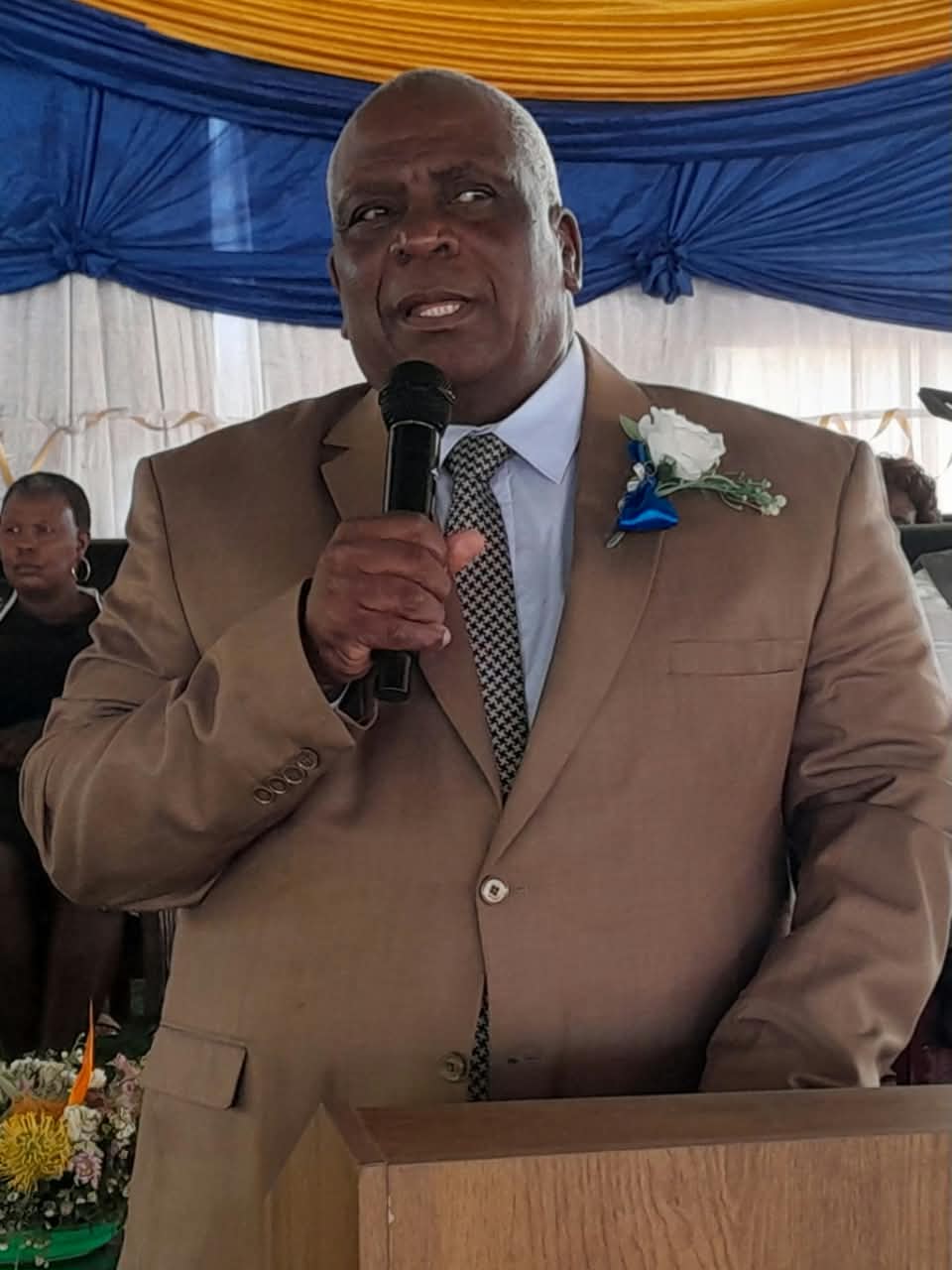
He was speaking through the college’s vice-principal, Chamusingarevi Gora, who read his speech during the institution’s 15th Applied Arts Graduation Ceremony.
“We are ensuring that we teach lifelong skills to people despite their age. We also have to prepare for retirement. Most of the people who go into retirement are miserable because they will not be ready,” he said.
Musara said people who failed to plan for life after employment often struggled to adjust to retirement, urging them to enrol at the college and acquire skills in fields that could support income-generating activities.
“We encourage those that are going into retirement to enrol at the college and get skills in whatever field so as to engage in income-generating projects until the last day to breathe,” he said.
He said the Ministry of Higher and Tertiary Education had invested in community-based skills development initiatives across several districts, including Zhombe, Sanyati and Kwekwe, to promote lifelong learning and improve livelihoods.
Musara highlighted construction projects undertaken by Kwekwe Polytechnic students as examples of how technical and vocational education could contribute to community development.
In Zhombe, students based in the area constructed a doctor’s residence and the Chief Gwesela Community Court, while students stationed in Sanyati were building a clinic in Ward 5, which had reached roof level.
He said the projects demonstrated how practical training could equip students with technical skills while providing essential infrastructure for communities.
Musara added that the initiatives were creating opportunities for vulnerable groups, including women, young people and persons with special needs, by bringing skills development closer to communities and supporting efforts to improve their livelihoods.