
By Memory Mudzani
Sexual harassment remains an issue in Zimbabwe despite the awareness interventions done in public spaces to create a safer working environment for both men and women.
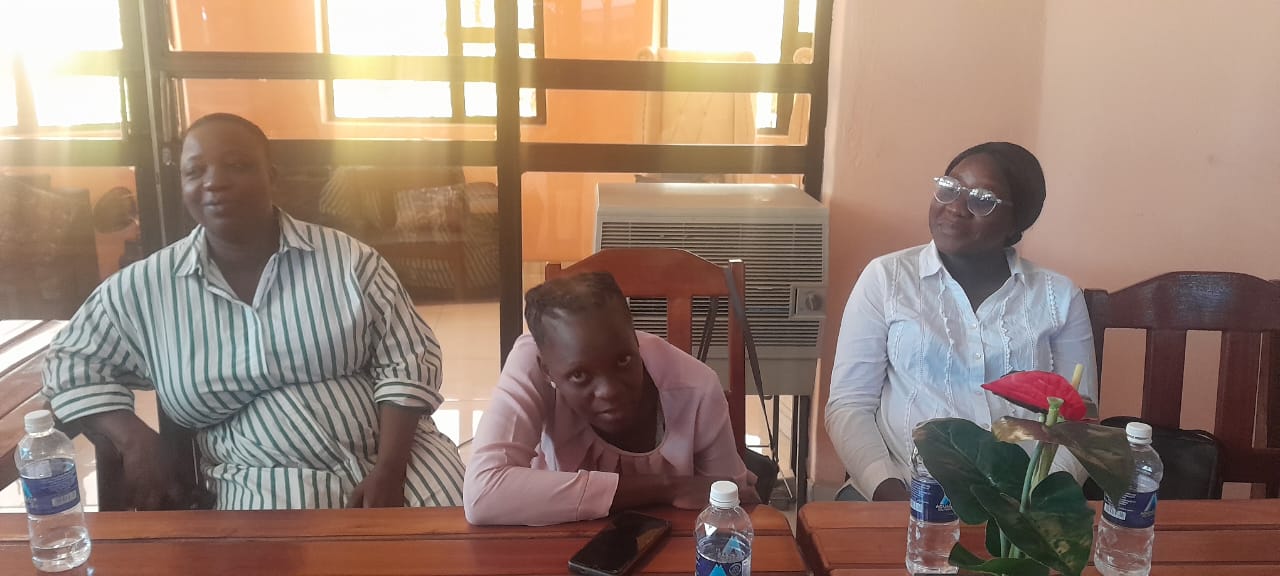
During a meeting hosted by Gender Media Connect (GMC) with journalists in Kwekwe gathering insights on journalists’ experiences, progress around addressing sexual harassment in newsrooms, journalist said there is still a lot to be done to address sexual harassment issues in the media sector despite all the work that has been done.
Sexual harassment in newsrooms is still a prevalent issue, disproportionately affecting women in most cases as bosses and senior workers abusing their power to manipulate their juniors.
During this meeting journalists also said some victims of sexual harassment suffered in silence even though they are well informed on the procedures to take when reporting sexual harassment cases, so as to protect their dignity and jobs.
Zimbabwe Women Lawyers Association (ZWLA) in the article they published in June 2018 noted that sexual harassment comprises of a range of behaviour from, verbal teasing to conduct that is criminal, for example criminal assault.
It is generally associated with requests for sexual favours, sexual advances or other sexual conduct when giving in is either directly or indirectly, a condition affecting decisions; the behaviour is of a degree that creates an intimidating or uncomfortable environment for the victim; or the harasser continues with such behaviour despite objection from the victim against whom it is directed.
ZWLA noted that the Labour Act [Chapter 28:01] prohibits sexual harassment at the workplace.
Sexual harassment is considered one of the unfair labour practices and an employer can be held liable for civil remedies.
The Labour Act strictly prohibits asking for sexual favours for the recruitment for employment; or the creation, classification or abolition of jobs or posts; or the improvement of the remuneration or other conditions of employment of the employee; or the choice of persons for jobs or posts, training, advancement, apprenticeships, transfer, promotion or retrenchment; or the provision of facilities related to or connected with employment; or any other matter related to employment.
Researches have shown that sexual harassment is not affecting only the media sector but rather all sectors in Zimbabwe.
In an interview, a young woman who preferred anonymity, told this publication that sexual harassment is a conduct that is affecting most women at their different workplaces and some other women end up giving in to this harassment allowing their male counterparts to satisfy themselves the way they want to.
In most cases sexual harassment comes from superiors threatening the victims with job cuts and as a result the victims end up experiencing mental health challenges while dying in silence .
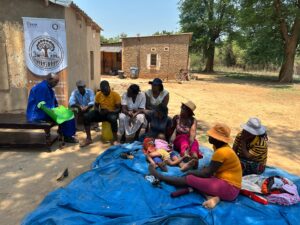
Betina Mutambara, chairperson of Zimbabwe Women Empowerment and Child Rights organization told this publication that victims of sexual harassment are predominantly women and they are usually asked for sexual favours from their superiors in exchange for promotions or job opportunities and as Zimbabwe Women Empowerment and Child Rights Organization they do what is within their power to ensure that these women know what sexual harassment is and the channels of communication.
Mutambara further said that as an organization they disseminating information and empowering women on the issue of sexual harassment.
She also said they hold dialogue with both employees and employers thus involving the victims and perpetrators, educating them on what sexual harassment is and how to handle the situation, provide guidance and counselling services or psychosocial support.
She added that they work closely with the Victim Friendly Unit and they can even accompany the police to arrest the perpetrator.
“We work closely with the Victim Friendly Unit, we can even accompany the police to arrest the perpetrator and we also offer financial or material support to those victims who need to appear before the court within our district,” said Mutambara.
She said ending the problem can be gradual rather than a once off effort and programs should focus on both parties that is, the believed perpetrators and the victims so that both parties will understand sexual harassment.