

By Flata Kavinga
Poaching, agricultural expansion and human settlements are putting increasing pressure on the remaining black rhino habitat in the Midlands, with only nine of the endangered animals left in the province.
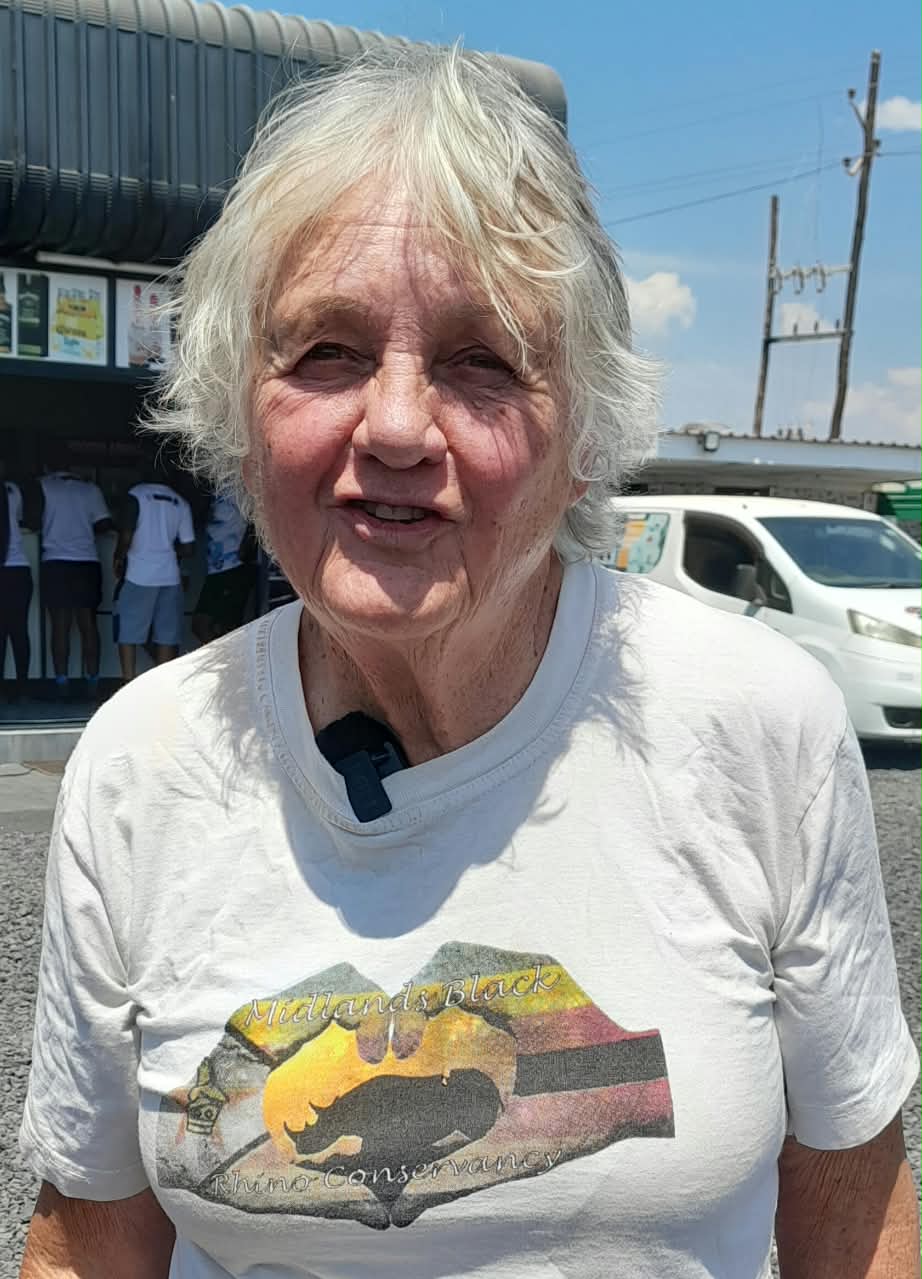
Midlands Black Rhino Conservancy finance officer Diane Killilea said the threats were making it increasingly difficult to protect the province’s small black rhino population.
Killilea was speaking to journalists on the sidelines of the Midlands Black Rhino Conservancy Half Marathon in Kwekwe.
“Poaching activities within the Conservancy” were among the major threats facing the animals, she said.
Killilea said agricultural expansion was also encroaching on wildlife habitat as communities sought more land for farming and settlement.
“Increasingly people are trying to take over every little bit of land they can for farming,” she said.
She called for clearly defined wildlife protection zones where agricultural activities would be restricted to safeguard areas where animals roam.
“I think areas should be set aside just for wildlife,” Killilea said.
“No agriculture and more intensive agriculture could take place outside of these wildlife protection zones but we need to be very clear as to what areas our game are allowed to roam freely without being disturbed and without having their habitat taken by agriculture as well.”
Killilea said the Midlands historically formed part of the black rhino’s range before the species was severely depleted by hunting, driven largely by demand for its horn and other body parts.
She said black rhinos were later reintroduced to the Midlands from the Zambezi Valley after Zimbabwe’s population came close to extinction in the early 1990s.
“There are nine black rhino in the Midlands. They’re the only black rhino in the Midlands,” she said.
Zimbabwe has just over 400 black rhinos, according to Killilea, highlighting the importance of protecting the remaining populations.
She said conservation efforts were costly, with the half marathon serving as both an awareness and fundraising initiative.
“Black rhino take a lot of money to conserve and this is why we organised a marathon to promote awareness of the black rhino and of course, to bring in funds for its protection,” Killilea said.
The conservancy receives support from donors, including overseas contributors, while communities living within the conservancy also contribute towards conservation efforts, she said.
A golf tournament held in April was among other fundraising activities conducted this year.
Killilea said the conservancy would continue seeking financial support to sustain its rhino protection programmes.
Black rhinos are a protected species in Zimbabwe and hunting them is prohibited.