

By Flata Kavinga
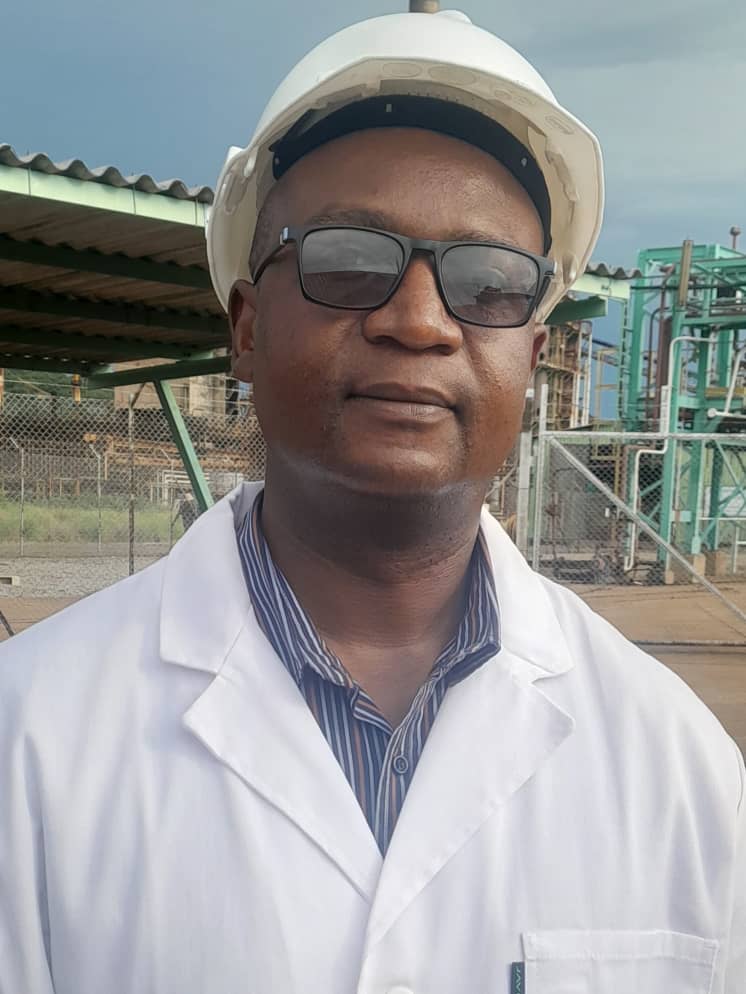
Zimchem Refiners is operating at below 10 percent capacity due to acute shortages of raw materials following the closure of Zimbabwe Iron and Steel Company Limited (Ziscosteel) general manager Tendai Shoko has said.
Shoko told the Parliamentary Public Accounts Committee during its tour of Ziscosteel that the chemical producer’s operations have been severely disrupted by the collapse of its main supplier.
“Currently we are operating at below 10 percent because we are only getting limited raw materials from some coke oven batteries in Hwange,” he said.
Zimchem Refiners was established as a joint venture between Ziscosteel and Hwange Colliery Company Limited to process by-products from coke oven batteries into industrial chemicals.
Shoko said the company historically relied on Ziscosteel for about 70 percent of its raw material inputs, particularly coal tar and crude benzol, which are key in producing a range of chemical products.
“The reason why Zimchem was established in Redcliff was because the bulk of our raw materials came from Ziscosteel,” he said.
He explained that the company distils these by-products into chemicals used in road construction, timber treatment and agriculture. However, the shutdown of Ziscosteel has forced the country to import substitutes at a higher cost.
Shoko said Zimchem previously supplied road construction chemicals for major infrastructure projects, including sections of the Plumtree–Mutare Highway and the Victoria Falls International Airport.
“We are now importing substitutes such as MC-30 from South Africa and the Middle East, yet we have the capacity to produce these locally,” he said.
He added that the company also produces creosote for timber treatment, which is used on electricity and telecommunications poles, as well as benzene and xylene for the agrochemical sector.
According to Shoko, current raw material supplies from coke oven batteries operated by Chinese firms in Hwange are insufficient, covering less than half of Zimchem’s capacity, with some output being exported or allocated to affiliated companies.
“The demise of Zisco also affected Zimchem downstream. We now have idle capacity which could be utilised if the coke oven batteries are revived,” he said.
Shoko urged authorities to prioritise the resuscitation of coke oven batteries at Ziscosteel, saying this would restore raw material supplies and support domestic production across multiple sectors.
“The resuscitation of these batteries will provide sufficient raw materials for Zimchem to produce key chemicals required for infrastructure development and industrial growth,” he said.
The Parliamentary Public Accounts Committee is assessing the operational challenges at Ziscosteel and its associated companies as part of efforts to inform government oversight on the revival of the steel industry.