
By Memory Mudzani
Women in Zimbabwe are calling for greater participation in climate change decision-making, arguing that women and girls are disproportionately affected by drought, food insecurity and displacement.
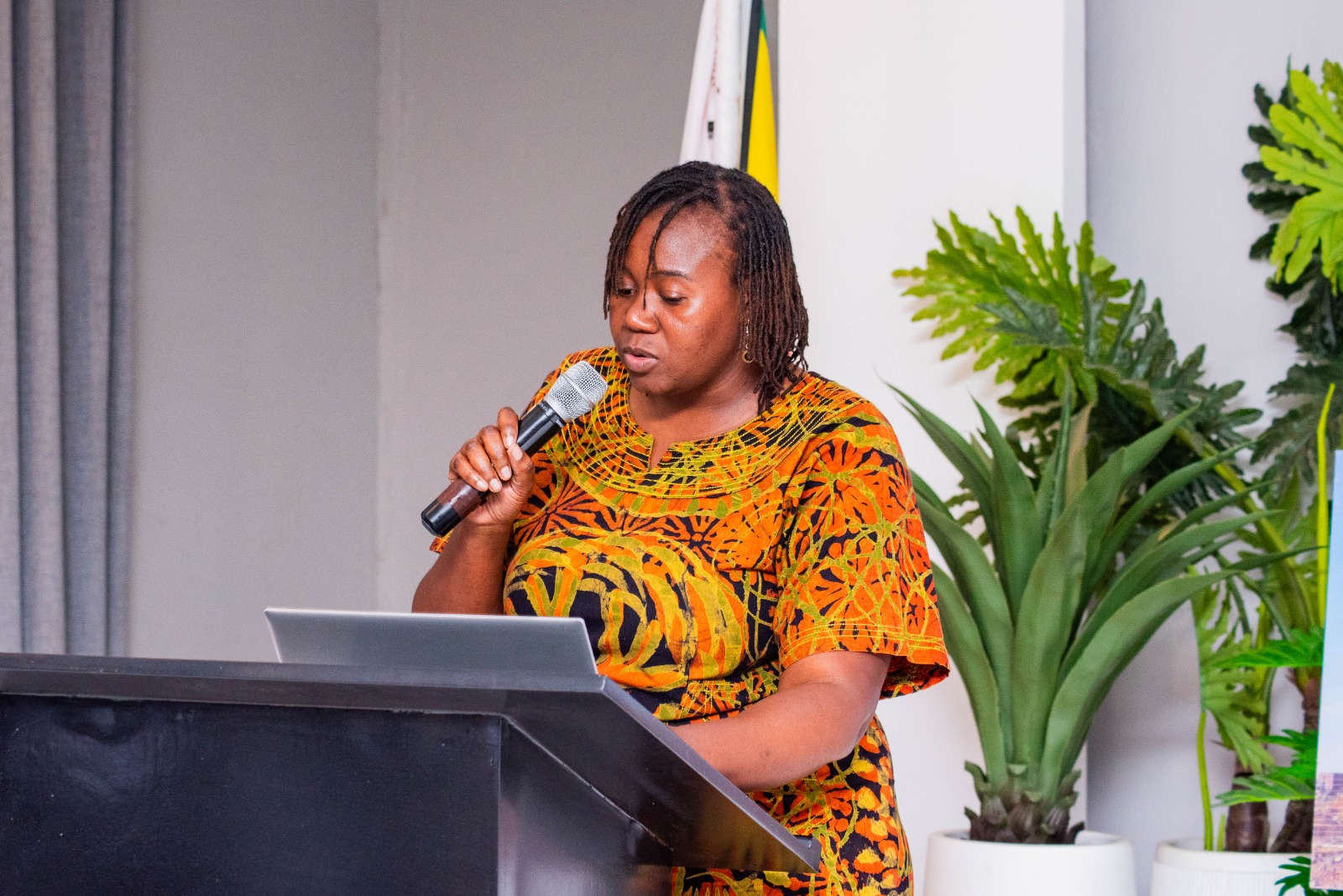
Sprout Women Empowerment Trust (SWET) director Caroline Mutimbanyoka said women should have a meaningful role in shaping climate policies and programmes that affect their livelihoods and communities.
“Women must have power in climate change decision-making because women are on the frontline of the climate crisis. Nothing about women’s climate resilience should be decided without women’s meaningful participation in decision-making,” said Mutimbanyoka.
She said climate policies should consider the social and economic effects of climate change on women rather than focusing solely on environmental indicators.
“Climate policy must look beyond tonnes of carbon and hectares of land. We must also ask: What happens to women’s income? What happens to their safety? What happens to girls when household resources disappear?” she said.
Mutimbanyoka said she represented women in Zimbabwe under the Women’s Coalition of Zimbabwe at the People’s COP 2026, where she raised issues around women’s climate justice.
She said women’s participation should extend beyond consultations to policy formulation, budgeting and implementation.
“The People’s COP must ensure that women’s voices do not stop at the microphone but reach the policy table, the budget and the implementation of climate action,” she said.
Mutimbanyoka said women should not only be viewed as beneficiaries of climate interventions but as contributors to climate adaptation and mitigation.
She said women were involved in activities including food production, seed conservation, water management and sustaining local communities.
“We must recognise women as small-scale farmers, innovators and leaders of climate adaptation and mitigation, not only as beneficiaries or participants but decision-makers,” said Mutimbanyoka.
She also called for climate finance and resources to reach women, grassroots organisations and communities.
Mutimbanyoka said Zimbabwe’s Climate Change Gender Action Plan provided a framework for promoting women’s participation in climate policy and action.
Citing the plan, she said women provide about 70 percent of agricultural labour and directly produce about 60 percent of agricultural commodities.
She said the figures highlighted the need for women to be included in climate-related decision-making, particularly on policies affecting agriculture and livelihoods.
Mutimbanyoka said women were already using a range of strategies to respond to climate change, including growing indigenous and drought-tolerant crops, seed saving, agroecology, small livestock production, water conservation, food processing and preservation, strengthening local food systems and community environmental protection.
“Women already have solutions. The problem is not a lack of knowledge among women. The problem is that women’s knowledge, innovations and leadership are still insufficiently recognised, financed and taken into policy,” she said.