

By Memory Mudzani
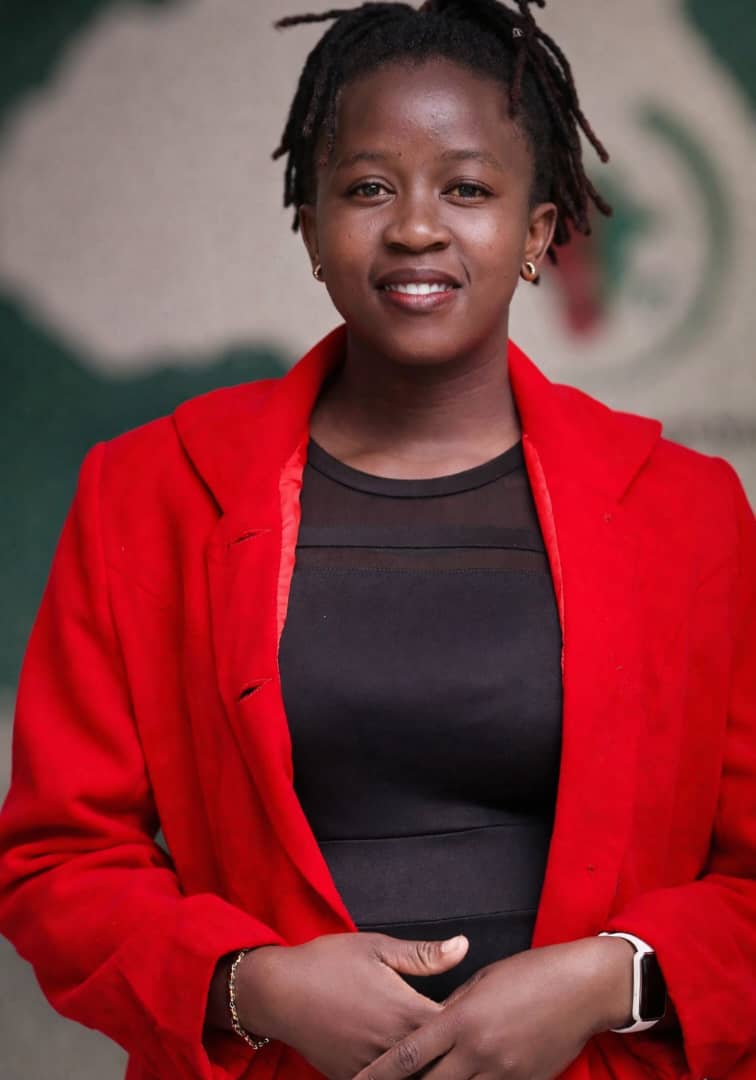
Gender-based violence (GBV) and drug and substance abuse are closely linked challenges that often reinforce each other, with devastating consequences for families and communities, Young Women Empowerment Forum founder and director Tanaka Mugova has said.
In an interview, Mugova said addressing the two issues requires tackling their root causes rather than focusing only on their outcomes.
“Ending this cycle means addressing the root causes, which include poverty, trauma, silence, unequal power relations and lack of support. When communities choose empathy over blame, healing over punishment and education over silence, we protect women, restore families and give both men and women a chance to heal and live with dignity,” she said.
Mugova said GBV can both result from and contribute to drug and substance abuse, particularly in households facing economic hardship. She noted that unemployment and financial stress often play a significant role, especially among young families.
She explained that many young men struggle to find employment or earn adequate incomes, which can lead to frustration, stress and feelings of inadequacy.
“Young men are struggling financially. Some do not have jobs, and even those who are employed are often not earning enough to support their families. To cope with financial pressure and emotional stress, some turn to drugs, and when they return home frustrated, conflict can arise, sometimes leading to gender-based violence,” Mugova said.
She added that the situation places women at increased risk, particularly those who are unemployed or economically dependent.
“In most cases, women who suffer GBV are not working, are not educated, or come from marginalised communities with no source of income,” Mugova said.
She called for increased economic empowerment of women as a key strategy to curb GBV, urging young women to acquire skills and create income-generating opportunities.
Mugova also appealed to the government to expand economic opportunities for women through employment creation and free or affordable skills training programmes.
“There is a need for short, practical courses such as hairdressing, fashion designing, hotel and catering and other semi-skilled trades. Once trained, women can start earning an income and reduce their vulnerability,” she said.
The Young Women Empowerment Forum director said men often turn to drugs when they feel powerless, unemployed or emotionally overwhelmed, and that unresolved trauma can manifest as violence within the home.
At the same time, she noted that women experiencing abuse may also resort to drugs as a coping mechanism to numb fear, trauma and hopelessness.
Mugova emphasised the need for community-based solutions rooted in compassion, prevention and support.
“Women need safe spaces, emotional healing, economic independence and strong legal support to break free from violence. Men, on the other hand, need access to mental health services, substance-abuse rehabilitation and spaces where they can unlearn harmful ideas about masculinity and develop healthier ways of coping with stress,” she said.