

Entertainment Reporter
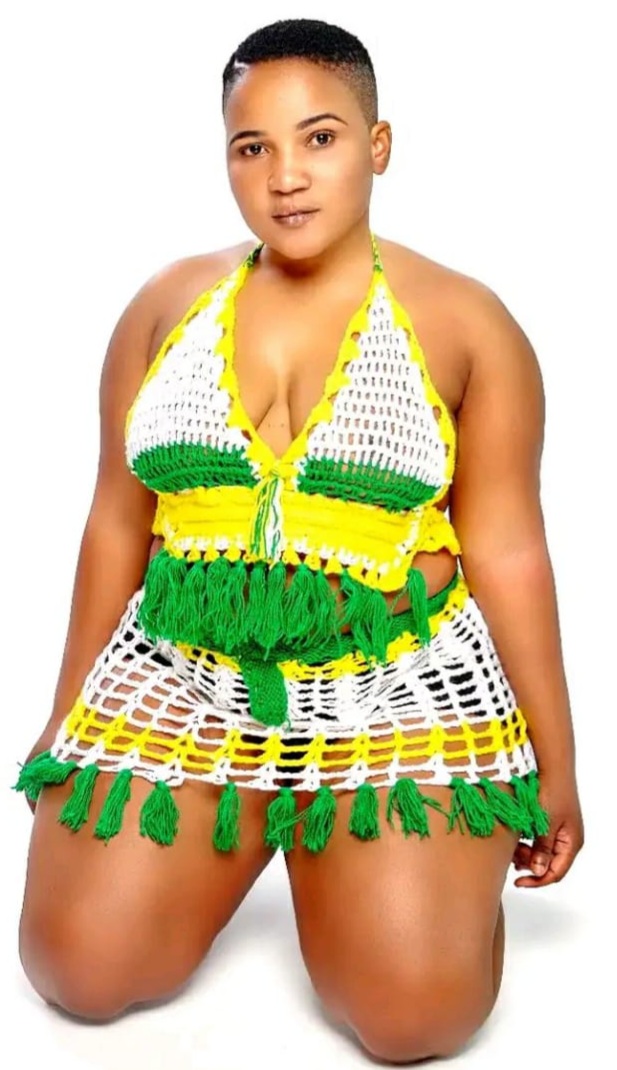
When Elizabeth “Sammie” Dandauta walks on stage, something shifts. The ululations start before the mic is hot.
By the time she hits the chorus of Ukama, the whole venue is on its feet.
From dreams to packed venues, the Zimbabwean mom is making ‘Dhunge Tunge’ a movement.
“When I sing Ukama, the song gives me the vibe,” she says, grinning. “And the crowd catches it every time.”
Based in Johannesburg, the Zimbabwean Afro-traditional artist is fast becoming one of the most bankable live acts on the diaspora circuit.
From Yeoville to Randburg, Sammie Dandauta is pulling huge crowds with a sound rooted in mbira, ngoma and raw storytelling.
“I sing Afro traditional music,” she says. “I just want them to understand the music because I don’t just sing.”
Sammie’s professional journey only started in 2019. There was no single “lightbulb” moment.
“No,” she says when asked if she knew music was her path. But once she started, there was no stopping.
Growing up in Zimbabwe, she was shaped by the late legend Marshall Munhumumwe.
That influence bleeds into her cadence and phrasing — distinctly Zimbabwean, yet polished for a new generation.
Her family backed her when she went full-time. Today she balances the stage with her other titles: “I’m a mom and a wife. Off day it’s family time.”
Dreams, life, and Dhunge Tunge
Ask Sammie how she writes, and the answer is simple: “I dream of it and everyday life give me better stories.”
That lived experience birthed her most personal track, Dhunge Tunge.
“It’s about my life story,” she says.
The past 13 years 8 months were tough — she reveals she “was not feeling well” for that period. “I just get my life back,” she says. Music became the comeback.
In studio, she leans on producers Tyfah Guni and Iyk D “the teacher”.
“They teach me a lot in my career and believe in me,” she says.
The hustle behind the vibe
Sammie is candid about the grind. Streaming? “Not much but we are still pushing.” The toughest moment? “I haven’t reached my toughest, I’m still pushing.”
As a woman in the game, she says support and marketing are “a bit hard”. Do female artists get the same respect and airplay as men? “No. We should both be given a chance.”
She handles it by focusing on the craft and letting her manager deal with bookings and royalties. What’s always in her gig bag? “My USB.”
Her eyes are set on global stages. “In 5 years? On a big stage having a big band, going all over the world.” A dream collaboration? “J P.”
But the bigger mission is cultural.
“I want to be the reminder of our Zimbabwean couture and traditional. I want to have a big influence of our couture,” she says.
For young girls in the ghetto facing family pressure, her message is clear: “Follow your dreams and stand up for what you believe in.”
She’s not alone: Zim’s new female wave,
Sammie Dandauta is part of a growing class of Zimbabwean women reshaping Afro sounds. Others to watch are Mary Anibal, the “Kujata Jata” hitmaker blending Afro-pop with street lingo, Natasha Muz, the Chinhoyi-born vocalist turning heads with her mbira-infused soul, Nisha T dancehall’s new queen bringing raw energy and feminist bars and Rutendo Denise, gospel-trap artist pushing spiritual messages to Gen Z.
Like Sammie, they’re building from the ground up, live stage by live stage.
For now, catch Sammie Dandauta where she thrives best, under the lights, with a hosho in hand and a crowd singing back every word.


