
By Memory Mudzani
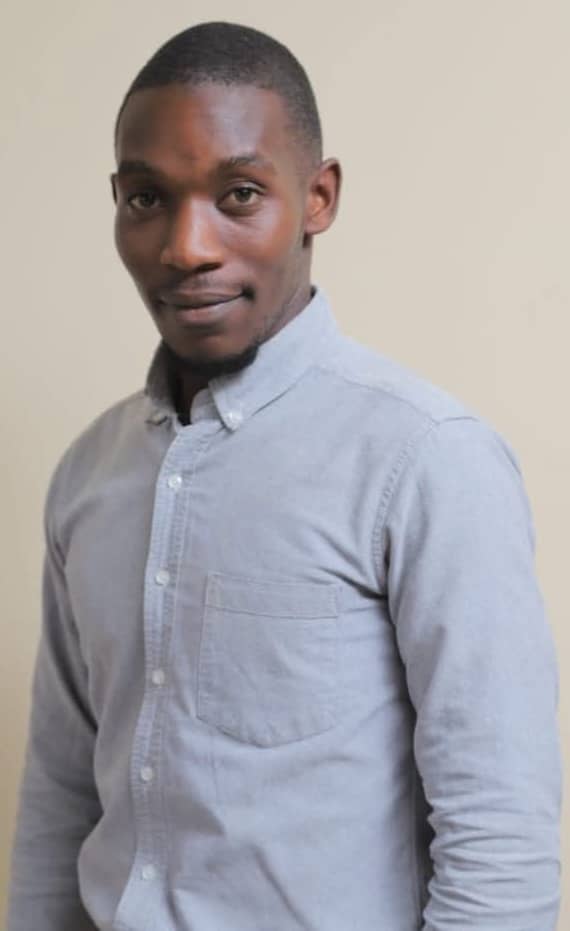
Forensic psychology and victimology specialist Takudzwa Rushwaya has urged people to take their mental health seriously and to seek professional help when facing mental health challenges.
Rushwaya, who is the founder and director of the Ruvheneko Mental Health Advocacy Foundation, said mental health issues continue to be neglected despite their significant impact on individuals and communities.
According to the World Health Organization (WHO), mental health is defined as a state of well-being in which an individual realises their abilities, can cope with the normal stresses of life, work productively and contribute to their community.
In an interview with The Public Eye, Rushwaya said many people pay little attention to their mental well-being, a situation that often leads to negative effects on physical health.
“Mental health issues have been sidelined for a long time. When people ignore their mental well-being, it eventually affects their physical health and overall functioning,” he said.
Rushwaya noted that cultural beliefs in many African societies contribute to the reluctance to seek help for mental health problems.
“From an African cultural perspective, mental health issues are often overlooked, and there is a belief that one should not seek help for them. As a foundation, we focus on raising awareness in different community settings through outreach programmes that promote mental wellness and well-being,” he said.
He said the foundation aims to promote a balance between physical and mental health when providing services to individuals, families and communities.
Rushwaya emphasised the importance of early identification and intervention in addressing mental health challenges.
“A lot can be done to reduce the impact of mental health issues in communities. Early identification is critical. People experiencing mental health challenges should be referred to professionals and institutions that can provide the necessary support,” he said.
He also highlighted the need for supportive environments free from discrimination and stigma, noting that societal expectations often discourage men from openly discussing mental health issues.
“Men tend to bottle up their problems due to societal pressures, and in some cases, they turn to substance abuse as a coping mechanism,” Rushwaya said.
To address this, Rushwaya said the foundation has created platforms where men can openly discuss their challenges, including a programme known as Brother Watching Brother.
He said promoting open dialogue and understanding around mental health is key to improving individual and community well-being.