
By Memory Mudzani
The Organisation for Youth-Led Initiatives for Development (OYLID) has urged young people to take an active role in climate action as Zimbabwe braces for a forecast super El Niño during the 2026/2027 summer cropping season.
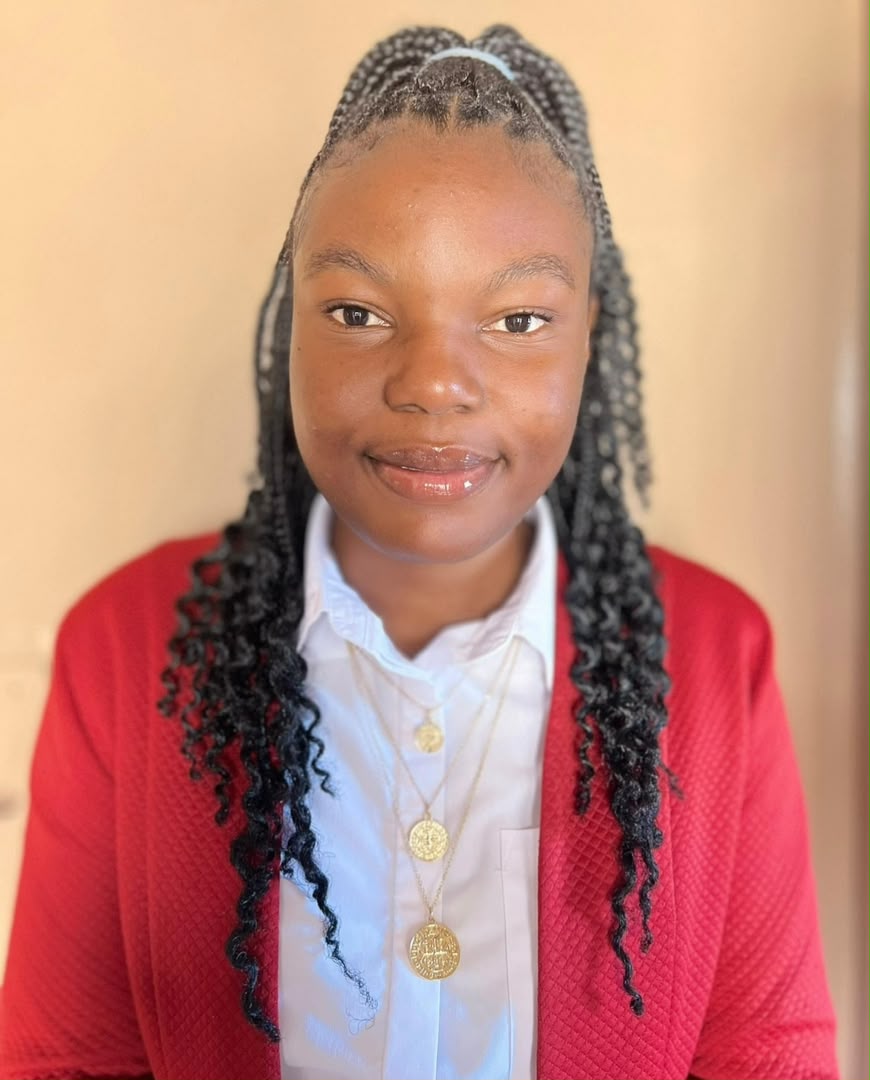
OYLID information officer Amanda Muzhandamuri said young people should lead efforts to build climate-resilient communities through sustainable farming, environmental conservation and awareness campaigns.
She said forecasts of below-normal and erratic rainfall, coupled with above-average temperatures, posed a threat to livelihoods, food security and water supplies.
“Young people are the future of Zimbabwe but the future is now. We must take part in climate action for a better tomorrow. If we fail to act today, young people will live longer with the consequences of the choices we make,” said Muzhandamuri.
She said the effects of El Niño extended beyond weather patterns, threatening household food security, water availability, livestock production and public health.
“When rains fail, families go hungry. When boreholes dry up, women and girls have to walk longer distances in search of water. When pastures disappear, livestock die and incomes collapse,” she said.
Muzhandamuri urged young farmers to adopt climate-smart agricultural practices, including growing drought-tolerant crops such as sorghum, millet, cowpeas and sweet potatoes.
She also encouraged them to embrace Pfumvudza/Intwasa, conservation farming, composting, crop rotation and greenhouse farming to improve agricultural productivity and resilience to climate shocks.
Beyond agriculture, she challenged young people to turn environmental challenges into economic opportunities through recycling, waste management and clean-up campaigns.
“Young people must also turn waste into opportunities. Plastic pollution is choking our environment and youths can lead clean-up campaigns, recycling projects and upcycling businesses that create jobs while protecting the environment,” said Muzhandamuri.
She further called on young people to use schools, churches, communities and social media platforms to raise awareness about climate change and advocate for climate-friendly policies.
Muzhandamuri also urged youths to participate in tree-planting initiatives, protect indigenous trees and establish woodlots and fruit orchards in schools, churches and communities.
She said climate action should not be left to scientists and government alone but required collective participation at grassroots level.
“Climate action starts with you, with the tree you plant, the water you save, the garden you grow and the neighbour you educate.
“As OYLID, we believe that if every young person takes one climate action today, Zimbabwe will be greener, more food-secure and more resilient tomorrow,” she said.