
Staff Reporter
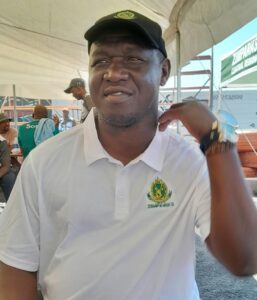
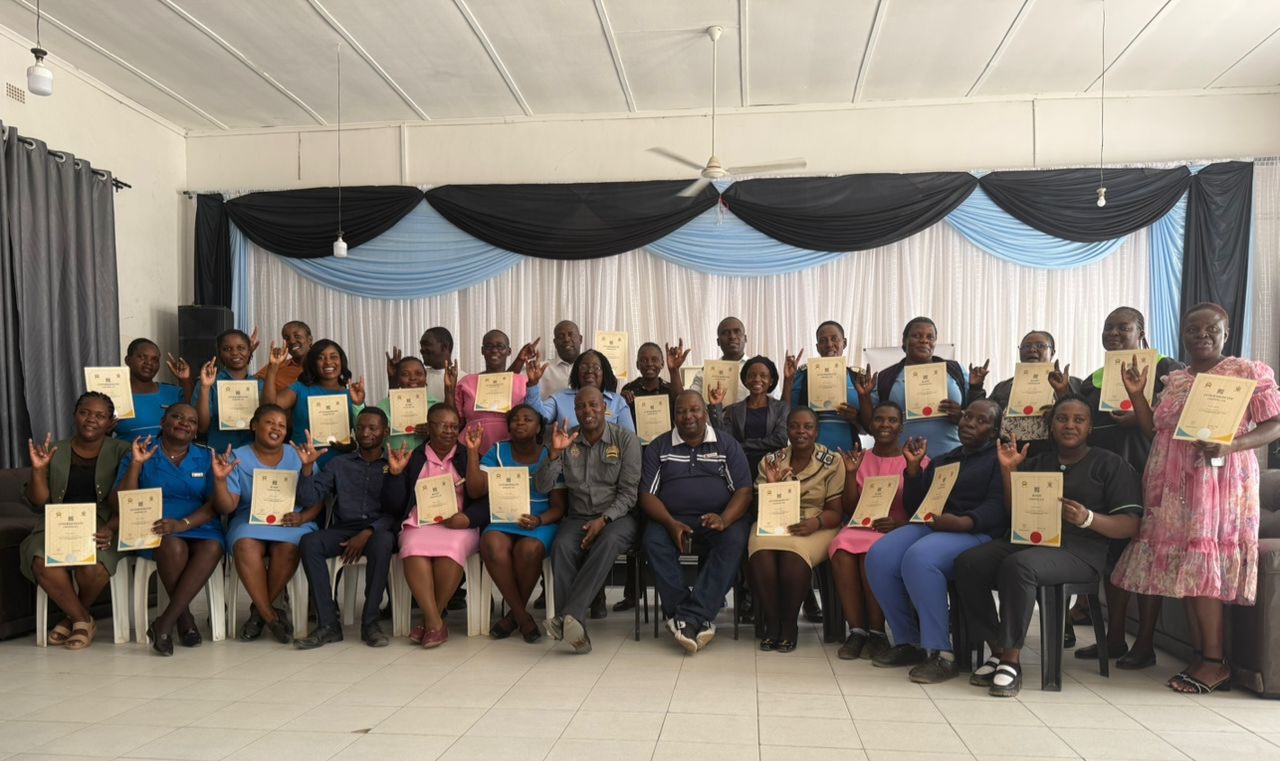
Kwekwe Mayor Cllr Albert Zinhanga has pledged support for sign language training after 25 nurses from the Kwekwe City Health Department graduated from a two-day course held in Mbizo.
The training, facilitated by Sunrise Sign Language Academy (SSLA), also attracted youths and senior citizens from the community, with participants receiving certificates after completing the basic course.
Speaking at the graduation ceremony, Zinhanga said sign language training was important in promoting inclusivity and protecting the rights of people with hearing impairments.
“A city which does not embrace sign language is a city lagging behind in terms of communication and empowering people’s rights,” said Zinhanga.
He commended SSLA for partnering with the local authority to improve communication within communities and institutions.
Zinhanga said there was a need to introduce sign language in schools and applauded the Government for providing sign language interpreters at some public events.
“I am happy because the Government has embraced sign language by providing interpreters at most government events to enhance communication for people with hearing impairments,” he said.
“We also need sign language interpreters in churches because it helps spread sermons to everyone.”
The mayor said councillors would join the next training programme as part of efforts to mainstream sign language across council departments.
Kwekwe City Health Department officials said the training was aimed at addressing communication challenges faced by nurses when attending to deaf patients at clinics.
“It is painful for a nurse to fail to assist a patient because of a communication barrier,” a city health official said.
“Our City Health Department has taken a giant step by being trained in sign language, and it shows we are making progress.”
Before the training, nurses often relied on relatives or guardians to interpret for deaf patients, a situation officials said could compromise confidentiality and effective communication.
The newly acquired skills are expected to help nurses communicate directly with patients, including greeting them, asking about symptoms and giving basic instructions.
Zinhanga said sign language training should extend beyond health institutions to other public service departments.
“Wherever we are, be it at council offices or other institutions, we need to know how to communicate in sign language,” he said.
“Someone may fail to access services because of communication barriers.”
The training sessions were also opened to community members, with residents from Mbizo attending to improve communication within their neighbourhoods.
One of the participants, 17-year-old Anotida Nhete, said she joined the programme after being encouraged by her mother, who works as a nurse at Kwekwe City Health Department.
Nhete said she wanted to communicate better with a hearing-impaired girl from her neighbourhood and church.
“She tried to communicate with me before, but I could not understand her,” said Nhete.
“Now I can communicate with her using the basic skills I have learnt.”
Another participant, Mrs Phiri, said the training helped address long-standing communication challenges within the community.
“We face challenges communicating with people with hearing disabilities because we do not understand sign language,” she said.
“That is why I decided to come and learn.”
Sunrise Sign Language Academy founder Douglas Mapeta said the response to the programme reflected growing awareness about inclusion in Kwekwe.
“Everyone from the community is welcome to come and learn sign language. We have trained about 100 community members so far, and we are coming back in August,” said Mapeta.
He said the academy aimed to build a wider network of sign language users who could support people with hearing impairments in schools, clinics, churches and workplaces.
“When more people learn sign language, we break down barriers that isolate people with hearing disabilities. Communication is a right, not a privilege,” he said.
Zinhanga said the programme aligned with the city’s broader efforts to promote inclusive service delivery and disability mainstreaming.
“If we want to have a better Kwekwe, a Kwekwe for all, we need to embrace sign language,” he said.