
By Flata Kavinga
Kwekwe City Council is owed about US$60 million by residents, businesses, government departments and other debtors, including US$6 million owed by Redcliff Municipality, raising concerns over the local authority’s capacity to sustain service delivery.
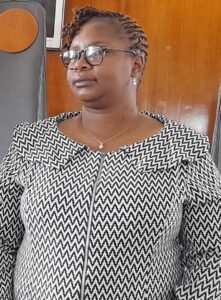
The figures were disclosed by Kwekwe City Council finance director Rejoice Maweni-Dandira during the local authority’s 2027 budget consultative meetings with ward development committees and ratepayers associations at the Civic Centre in Kwekwe.
Maweni-Dandira said that as at September 30, residents and ratepayers across the city’s wards accounted for US$32 million of the outstanding debt, while commerce and industry owed US$11 million.
Redcliff Municipality owed US$6 million, while government departments and institutions, including police camps, prisons, government offices, the District Development Coordinator’s office, courts, ministries and Kwekwe General Hospital, collectively owed US$3.4 million.
She said the outstanding debts were undermining council’s ability to finance operations and deliver essential services, despite its obligation to collect revenue from ratepayers.
“We have approached the Ministry of Finance saying we are now crippled as a local authority, with US$3.4 million sitting in government,” Maweni-Dandira said.
“As a local authority, we are expected to collect revenue and ensure service delivery.”
She said the debt situation was particularly challenging because council continued to incur operational costs while struggling to collect money owed for services provided.
Maweni-Dandira singled out Redcliff Municipality, which receives water from Kwekwe but has outstanding payments to the local authority.
“We are saying we are giving Redcliff Municipality water and they don’t pay for the service. We continue buying water treatment chemicals and face the ZESA debt when Redcliff is not paying us,” she said.
The finance director said the accumulation of unpaid bills was making it difficult for council to meet its financial obligations and improve service delivery.
She also referred to the Government’s Call to Action initiative, saying local authorities were expected to improve revenue collection, yet faced criticism over poor service delivery when substantial amounts remained unpaid.
“In the end, council is blamed for poor service delivery. How then do we perform when US$32 million is sitting in the wards?” she said.
Maweni-Dandira said improved revenue collection would strengthen council’s capacity to provide services to residents.
The 2027 budget consultative meetings provide a platform for residents, ward development committees and ratepayers associations to raise concerns and contribute to the city’s spending priorities and revenue proposals for the coming year.