
By Flata Kavinga
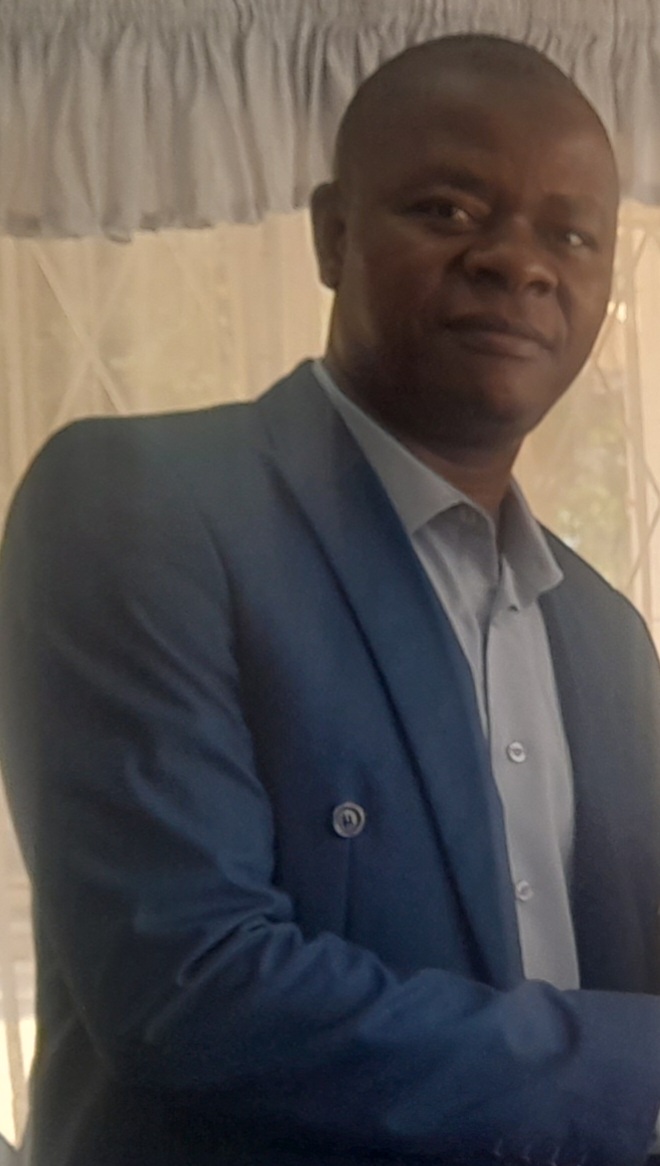
Kwekwe General Hospital medical superintendent Dr Tinashe Gunda has raised concern over infrastructure challenges affecting the institution’s ability to provide quality healthcare services to the community.
Speaking to journalists on the sidelines of a donation of 100 blankets to the hospital by Pick n Pay, Dr Gunda said the hospital was facing challenges including shortage of accommodation for doctors, inadequate ward space, water supply problems and limited emergency facilities.
Dr Gunda said the shortage of accommodation for doctors had affected the hospital’s ability to retain medical staff despite the government allocating additional posts.
“Currently, we are faced with a challenge of accommodation, particularly those of doctors. We are having serious challenges where we get posts the government is giving us for more doctors, but as we get them, some of them we actually end up losing because of the issue of accommodation,” he said.
He said the institution’s doctors’ flats, which were started following a 2021 fire incident, were yet to be completed, forcing the hospital to rely on rented accommodation.
“At the moment, we are actually renting out accommodation. We are having rented accommodation and it is taking a significant chunk of our money that we are supposed to be using in terms of service provision,” Dr Gunda said.
The medical superintendent said the hospital was also struggling with inadequate ward space, resulting in overcrowding in some departments.
“We have one ward, two wards short. We don’t have a male ward. We don’t have a postnatal ward. So we have got crowdedness, particularly in the male wards and also crowdedness in the maternity wards,” he said.
Dr Gunda said overcrowding affected the delivery of healthcare services as medical staff had to attend to a high number of patients within limited spaces.
“Sometimes, it is very difficult to manage the patients in those wards because of the crowdedness, and it compromises on our quality of care,” he said.
He also highlighted water supply challenges at the institution, saying interruptions affected the operations of some departments.
“Sometimes, when there are water cuts at the institution, we have got a lot of other departments that then fail to function,” he said.
Dr Gunda said the hospital was receiving assistance from stakeholders, including support towards addressing some plumbing challenges but appealed for continued community support, particularly towards infrastructure development.
He further raised concern over the lack of a dedicated helipad for air ambulance services, saying the hospital sometimes relied on alternative locations that were not ideal.
“We have patients who are flown to Harare as emergencies but at the moment, we don’t have a place where the air ambulance can come and land or pick the patients from,” he said.
The hospital also requires a new casualty department, according to Dr Gunda, who said the current facility was originally designed as an outpatient department and was not adequate for emergency preparedness.
“Our casualty department is very small. It is actually built to function as an OPD. We need to have a construction of a totally new casualty department altogether so that we are able to serve our community in terms of emergency preparedness,” he said.
Dr Gunda said the hospital remained committed to providing healthcare services despite the challenges but called for partnerships to improve infrastructure.
“In terms of our care, clinically, that one we can take care of. We just need a lot of support, particularly in infrastructure development,” he said.
The medical superintendent expressed gratitude to Pick n Pay and other community members for supporting the hospital through donations aimed at improving patient welfare.