

By Flata Kavinga
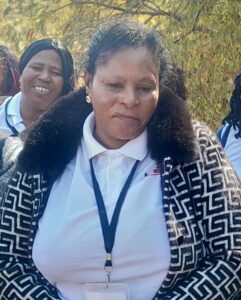
Gender and Media Connect (GMC) Director Patience Zirima says open dialogue and evidence-based approaches are key to addressing sexual harassment in newsrooms, as the organisation intensifies efforts to create safer working environments in the media sector.
Speaking during a meeting with journalists in Kwekwe, Zirima said the discussion marked a shift from years of silence and normalisation of harassment within the profession.
“The important thing is that we are now talking about it. It’s not something that we are keeping quiet about or normalising anymore,” she said, noting that in the past, incidents were often dismissed or ignored, particularly when raised by junior staff.
Zirima, who began her journalism career in 2003, said newsroom cultures had historically discouraged victims—especially interns and young reporters—from reporting abuse. However, she said growing awareness and changing attitudes were beginning to challenge that culture.
She said the meeting aimed to gather input from journalists on what strategies have worked, what has failed and how interventions can be improved.
“As GMC, we want to map our journey—what has changed, what is working and what is not working,” she said. “It’s important for us to understand whether some of the approaches we have used, such as naming and shaming, are actually effective in preventing harassment.”
Zirima added that the discussions would help inform future programmes and policies designed to promote safer and more inclusive newsrooms.
She noted that while sexual harassment has often been viewed as an issue affecting women, emerging evidence shows that men—particularly younger journalists—have also experienced abuse, often without reporting it.
“What we are realising is that young men and men in general have also been suffering in silence,” she said. “We need to understand these dynamics and how they are evolving, especially as more women take up leadership roles in newsrooms.”
Zirima said GMC would compile findings from the consultations into a publication, with contributions anonymised to protect participants.
“We understand the sensitivity of these issues. The publication will not mention names or attribute specific stories to individuals,” she said, encouraging participants to speak freely.
She also acknowledged the role of partners such as Hivos in supporting initiatives aimed at addressing sexual harassment in the media.
According to Zirima, ongoing efforts include working with institutions such as the Zimbabwe Broadcasting Corporation and the Zimbabwe Media Commission to establish clearer reporting and investigative mechanisms, including external channels beyond newsroom structures.
The meeting forms part of broader efforts by GMC and other stakeholders, including media bodies and unions, to strengthen safeguards and accountability systems within Zimbabwe’s media industry.