
Staff Reporter
Zimbabwe has called for increased investment in cancer care as the country grapples with a growing cancer burden and gaps in access to modern treatment.
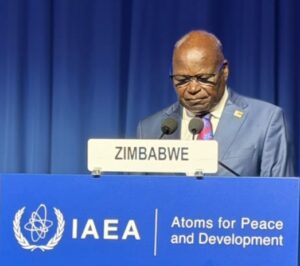
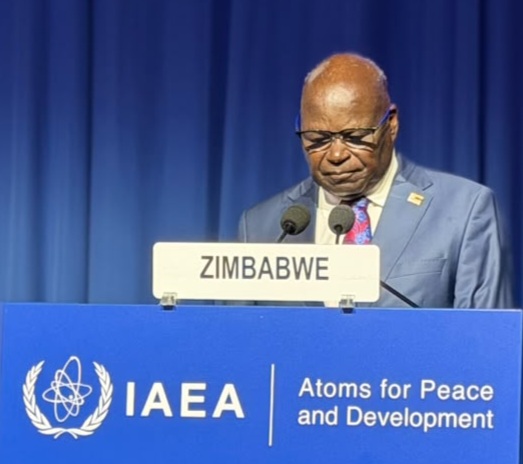
Energy and Power Development Minister July Moyo said the cancer burden in Zimbabwe and across Africa required urgent and sustained intervention, with the country looking to expand access to radiotherapy and other nuclear-based medical technologies.
Moyo made the remarks while addressing the 70th Regular General Conference of the International Atomic Energy Agency (IAEA) in Vienna, Austria, where the Scientific Forum is being held under the theme “Rays of Hope: Cancer Care for All.”
“The growing cancer burden in Africa, and in Zimbabwe in particular, demands urgent and sustained intervention,” Moyo said.
He said the recent resuscitation of radiotherapy services in Zimbabwe’s public hospitals was a step towards improving access to cancer treatment.
“We are encouraged by the Agency’s leadership in mobilising global partnerships to bridge the cancer care gap, and Zimbabwe remains fully committed to this noble cause,” he said.
Moyo said Zimbabwe anticipated further progress through the IAEA’s Rays of Hope initiative, which seeks to improve access to modern cancer diagnosis and treatment in countries with limited radiotherapy capacity.
He commended the IAEA for its support to member states, citing the opening of a public radiotherapy facility in Malawi as an example of efforts to expand cancer treatment capacity in Africa.
Moyo also highlighted Zimbabwe’s participation in the IAEA’s Radium Recycling Initiative, which involves the responsible management of legacy radium sources and their potential repurposing to produce Actinium-225.
Actinium-225 is a radioisotope being investigated and used in targeted cancer treatments, including targeted alpha therapy, which delivers radiation to cancer cells.
The minister said Zimbabwe’s wider investment in nuclear science and technology was not limited to energy generation, but also had applications in healthcare and agriculture.
He said the country was strengthening its capacity for the safe, secure and peaceful use of nuclear technology while pursuing its long-term energy strategy.
Moyo’s remarks come as Zimbabwe seeks to strengthen cancer treatment services, with radiotherapy among the areas where nuclear technology has direct applications in healthcare.
The IAEA’s Rays of Hope initiative focuses on expanding access to radiation medicine, including radiotherapy, particularly in low- and middle-income countries where cancer treatment capacity remains limited.
Moyo said Zimbabwe would continue working with the IAEA and other partners to strengthen nuclear applications that contribute to healthcare and other national development priorities.