
By Flata Kavinga
Junior leaders from Kwekwe District have called on government, local authorities, parents and communities to invest in children’s health, education and well-being by improving access to clean water, sanitation and hygiene services.
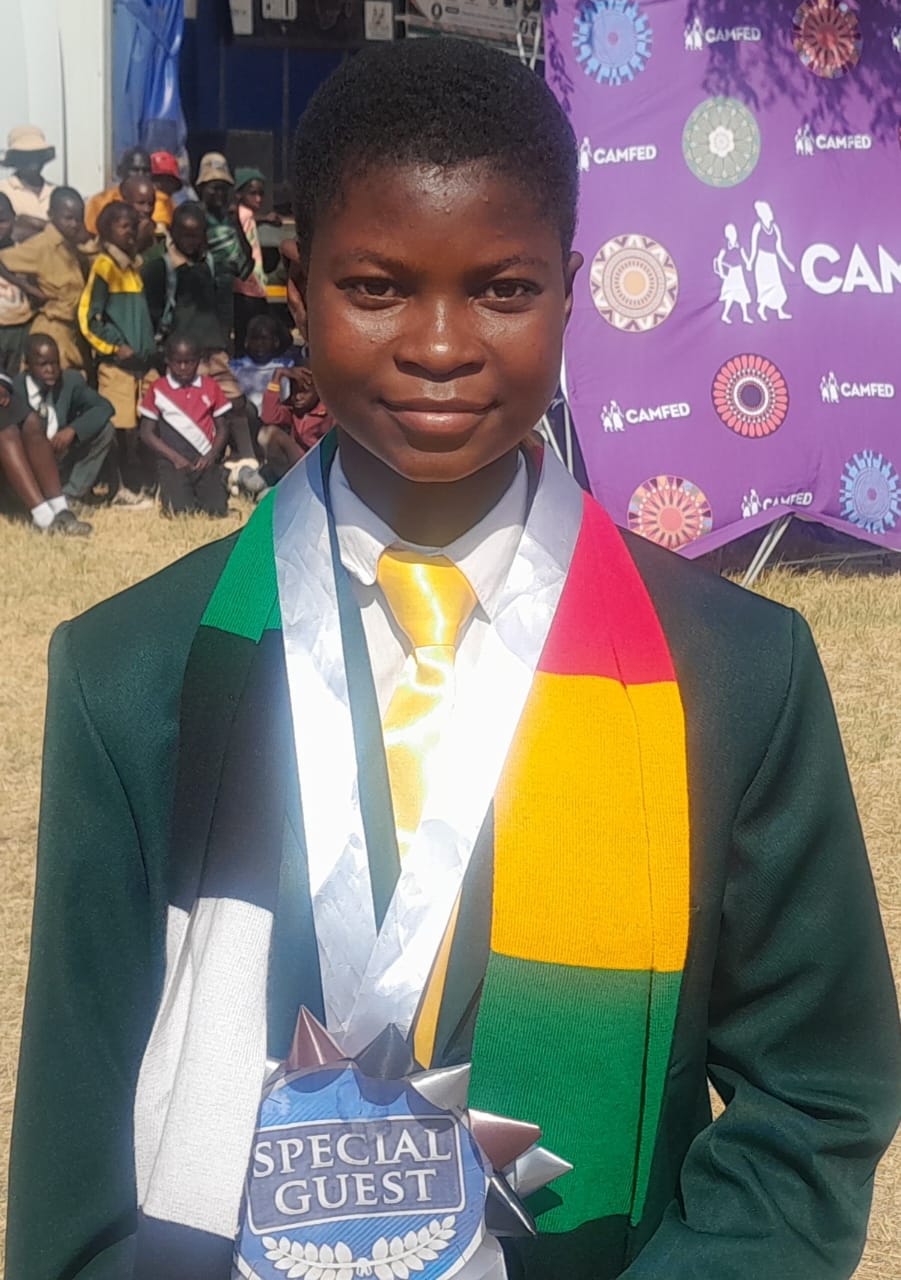
Speaking during the Day of the African Child commemorations at Mgandani Secondary School in Zhombe yesterday, (,Thursday) Zhombe Constituency Junior Member of Parliament Mufarowashe Makunike said access to safe water and sanitation is a fundamental right that underpins children’s health, dignity and education.
“This important occasion reminds us of the courage and resilience of African children and challenges us to renew our commitment to protecting their rights and investing in their future,” she said.
Makunike said children without access to clean water and adequate sanitation are more vulnerable to preventable diseases, while poor sanitation facilities can negatively affect school attendance, particularly for girls.
“Access to clean water, safe sanitation facilities and proper hygiene is not a luxury; it is a basic human right. Every child deserves to grow up healthy, attend school with dignity and live in an environment that supports their well-being,” she said.
She urged government institutions, development partners, schools, health institutions and communities to continue working together to improve access to clean water, rehabilitate boreholes, expand sanitation infrastructure and promote good hygiene practices.
Makunike also called on Kwekwe City Council, the Municipality of Redcliff and Zibagwe Rural District Council to continue prioritising investments that improve water, sanitation and hygiene services for children.
City of Kwekwe junior deputy mayor Eric Murondi said universal access to sanitation was essential to protecting children’s health, dignity and educational opportunities.
“Sanitation is more than bricks, pipes and toilets. It is about dignity, equality and giving every child the opportunity to grow, learn and achieve their full potential,” he said.
Murondi said access to proper sanitation helps protect children from diseases such as cholera, typhoid and diarrhoea while enabling learners to attend school consistently.
He urged governments, schools, communities and parents to play their respective roles by investing in sanitation facilities, maintaining infrastructure and promoting good hygiene practices.
“Small actions carried out consistently, such as washing our hands, keeping our surroundings clean and respecting public facilities, can make a great difference,” he said.
Municipality of Redcliff junior mayor Chiedza Mavengere said access to clean water should be regarded as a right for every African child.
She urged authorities and communities to ensure water sources are brought closer to children, particularly those living in remote areas, to reduce the burden of fetching water and improve school attendance.
Citing Section 76 of the Constitution of Zimbabwe, Mavengere said access to safe water and healthcare should be realised in practice through sustained investment in protected water points and hygiene facilities.
“We should all play our part, from government to schools, parents and children themselves, to ensure every child enjoys access to clean water and sanitation,” she said.
Zibagwe Rural District Council junior chairperson Rutendo Chimhanda said protecting children’s rights goes beyond improving infrastructure and includes addressing challenges such as poverty, child marriages, drug and substance abuse, violence and domestic violence.
She said children should be given opportunities to realise their full potential in safe environments.
“Every child deserves to have their innocence protected, their dreams nurtured and their potential honoured,” Chimhanda said.
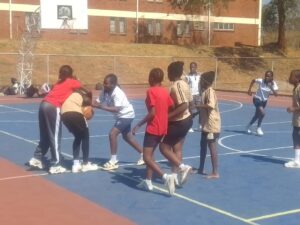
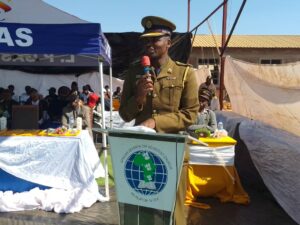
The Day of the African Child commemorations brought together government officials, traditional leaders, local authorities, development partners, teachers, learners and community members to promote children’s rights under this year’s theme focusing on universal access to water, sanitation and hygiene for every child in Africa.