

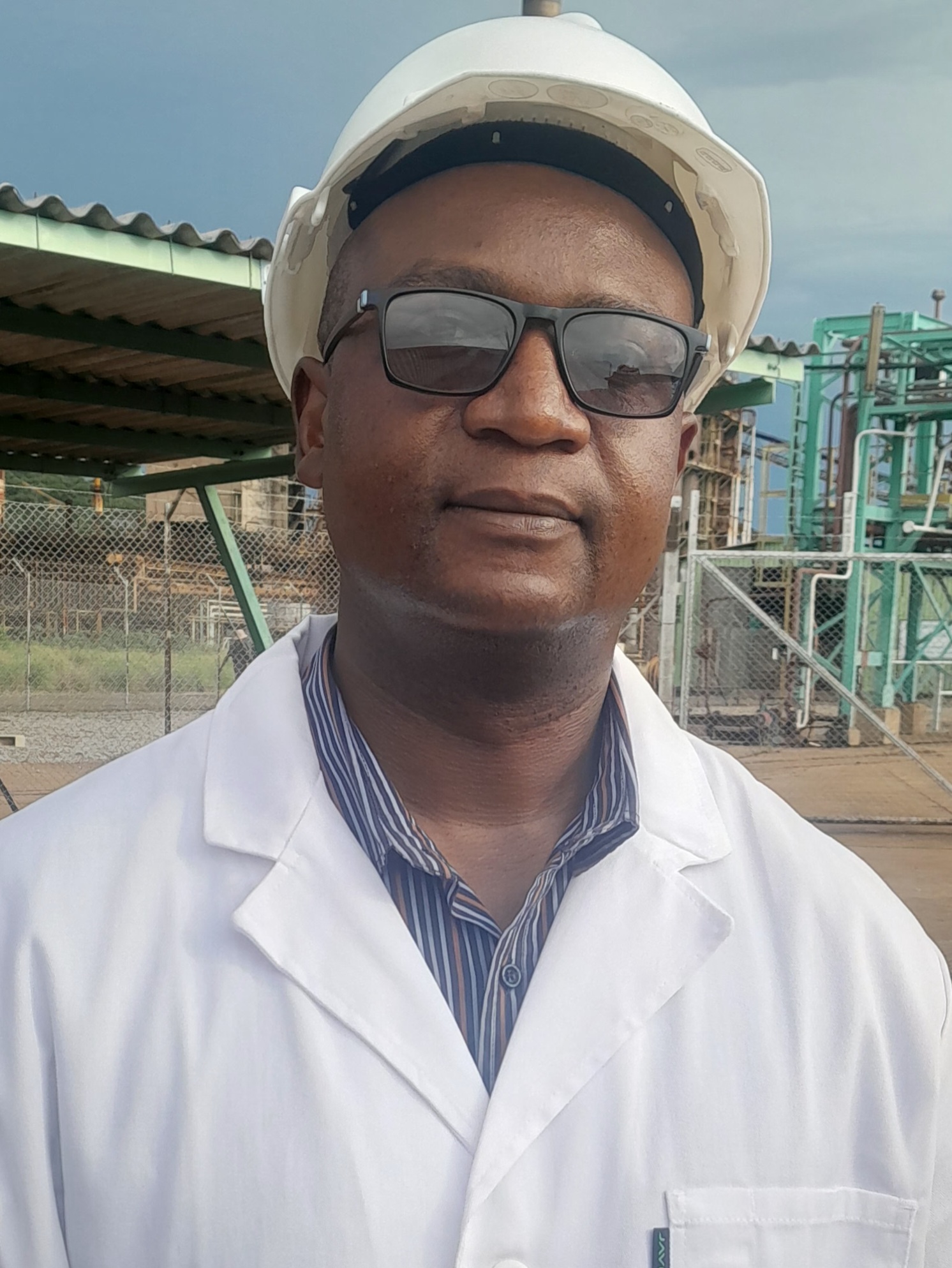
By Flata Kavinga
Zimchem Refiners general manager Tendai Shoko, says the company has developed a new road construction chemical through collaboration with Midlands State University and the Ministry of Transport and Infrastructural Development, as part of efforts to add value to its traditional coal tar products.
Shoko said this during an interview with journalists on the sidelines of a tour of the company’s operations in Redcliff by Vice President Dr Constantino Chiwenga.
He said the new product represents beneficiation of coal tar, which was historically used in road surfacing before the adoption of bitumen-based materials.
“We have developed a new road construction chemical in collaboration with Midlands State University and the Ministry of Transport. This is a value addition or beneficiation of our traditional tar, which before independence was used for road surfacing without proper beneficiation,” Shoko said.
He said the improved formulation would allow the company to supply road construction firms with materials suitable for pothole patching, new road construction and other infrastructure projects.
“This intervention will enable us to supply the local road construction industry with a product that works for pothole patching, for new safe road construction and generally for infrastructure improvement in the country,” he said.
Shoko said the company also produces electrode pitch used in electric furnaces for the ferrochrome and aluminium industries.
He said the product had traditionally been supplied to ferrochrome producers such as Samancor Chrome, Elkem Ferroveld and Chatec, but demand had declined following the closure of several smelters in South Africa due to tariffs and operational challenges.
As a result, the company is exploring new export opportunities in Mozambique, where aluminium smelters require a higher softening point electrode pitch.
“We intend to supply around 1 000 tonnes per month of electrode pitch for the aluminium smelting industry in Mozambique. This is a high value product which can generate significant revenue for the company and for the country,” Shoko said.
He said the proposed export volumes would mark a significant increase compared to previous exports to South Africa, which averaged about 500 tonnes per month.
Shoko said the company currently has the capacity to process about 5 000 tonnes of tar per month and is planning to increase output through plant upgrades and improved capacity utilisation.
He added that the company’s operations were previously affected by reduced supplies of coke oven by-products following the demise of Ziscosteel and Hwange Colliery Company, which had been key suppliers of raw materials.
Although the company now has the capacity to supply products to industries such as road construction and timber treatment, Shoko said the challenge was rebuilding domestic markets as some customers had turned to imports.
“The challenge is mainly to do with uptake of our products. Many companies are importing products from South Africa that we can now produce locally,” he said.
Shoko said the company currently employs about 100 workers operating on a shift system as it works to expand production and regain market share.