

By Macdenias Moyo
In Zimbabwe’s political theatre, eloquence has often been mistaken for leadership. For years, opposition figures have relied on metaphors, slogans and promises to capture attention.
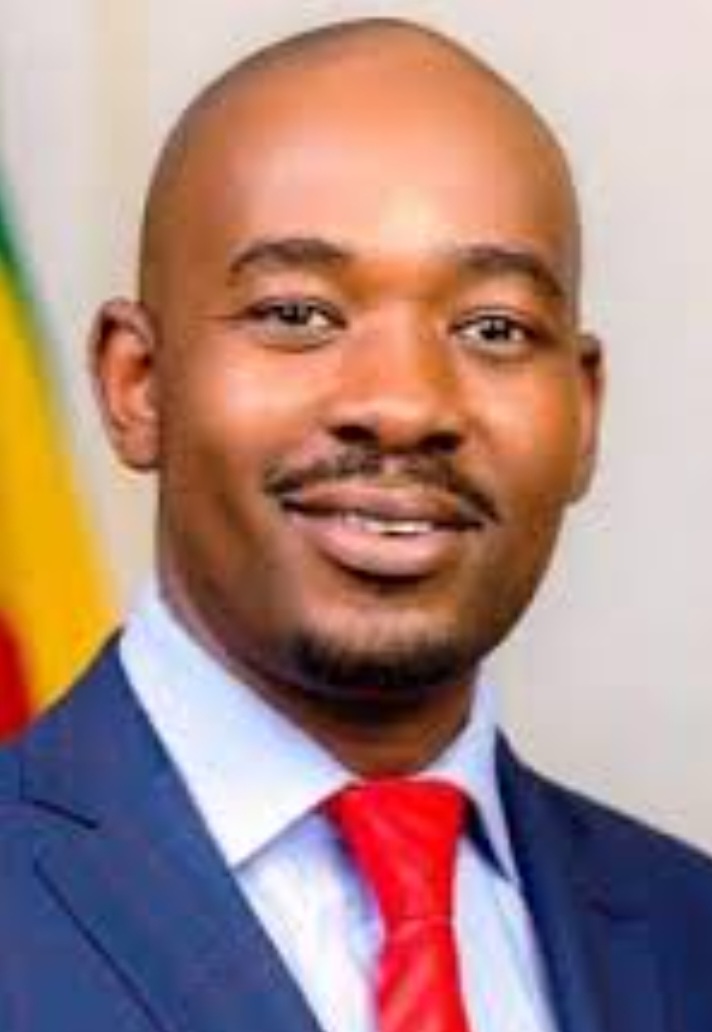
Nelson Chamisa’s recent announcement of his return to politics after a two-year absence described as “stepping back onto the dance floor” is the latest example of this reliance on rhetoric. Yet for many Zimbabweans, the metaphor rings hollow. The dance floor he speaks of is no longer vacant. It is alive with citizens, especially the youth, who are dancing to the rhythm of progress, empowerment and national pride under the leadership of President Emmerson Dambudzo Mnangagwa.
Chamisa’s return underscores a stark contrast between words and deeds. Zimbabweans have grown weary of speeches that entertain but fail to deliver. They want roads that connect communities, hospitals that save lives, schools that educate children and jobs that empower families.
Since 2017, Zimbabwe has steadily moved forward under Mnangagwa’s leadership, prioritizing development, stability and empowerment over political theatrics. This progress is not theoretical but it is visible in communities across the nation.
NDS1: A Blueprint that delivered the National Development Strategy 1 (NDS1), implemented between 2021 and 2025, was more than a policy, it was a plan of action. It delivered measurable successes across multiple sectors. Agriculture was revived through mechanization, irrigation and command programs, leading to maize and wheat surpluses that restored food security. Infrastructure projects expanded across the country, with rehabilitated highways connecting rural and urban communities, while new energy projects improved access to electricity.
Social services also benefited. Schools were equipped, teachers trained and hospitals modernized, strengthening Zimbabwe’s human capital.
Fiscal discipline restored confidence in the economy, curbing inflation and creating a stable environment for investment.
These achievements aligned Zimbabwe with the United Nations Sustainable Development Goals (SDGs), with notable progress in zero hunger, quality education, clean energy and infrastructure development.
NDS1 proved that disciplined planning and execution could yield real results. It demonstrated that development is not achieved through speeches but through action
NDS2: Fast-Tracking Transformation Building on the successes of NDS1, the National Development Strategy 2 (NDS2), covering 2026 to 2030, is poised to accelerate Zimbabwe’s transformation into a middle-income economy.
NDS2 is not about promises – it is about positioning Zimbabwe as a competitive, modern economy.
Industrialization and value addition will ensure that Zimbabwe moves beyond exporting raw materials to processing and manufacturing, creating jobs and wealth.
Digital transformation will modernize services, empower entrepreneurs and integrate Zimbabwe into global markets.
Inclusive growth will ensure that rural communities, women and youth are central to development. Climate resilience will protect livelihoods by strengthening agriculture and energy systems against global shocks.
NDS2 represents a decisive step toward achieving Zimbabwe’s Vision 2030, which aims to transform the nation into a prosperous, upper middle-income society.
NYES 2026–2030: Youth at the Centre.
At the heart of Zimbabwe’s future lies the National Youth Empowerment Strategy (NYES 2026–2030). Recognizing that the majority of Zimbabwe’s population is youthful, the strategy seeks to harness this demographic dividend by equipping young people with the tools they need to drive national development.
The NYES promises deliberate job creation through ministries, local authorities and private sector partners.
Tailored credit facilities will enable young people to start businesses and farming ventures, fostering entrepreneurship. Training in ICT, innovation and vocational skills will prepare youth for modern industries, ensuring they are competitive globally. Leadership opportunities will integrate youth into governance structures, ensuring their voices shape national policy.
This strategy is not about handouts but it is about equipping youth to be drivers of Zimbabwe’s transformation. It ensures that Zimbabwe’s greatest asset, its youthful population, is empowered to lead the nation into the future.
Citizens Rally Behind ED Mnangagwa
Grassroots: movements such as Ama2k4ED, Hustlers4ED, Farmers4ED, YoungWomen4ED and MeBelieved4ED, Mechanics4D, Doctors4ED, Teachers4ED and many othe ZANU PF affiliated movements reflect how President Mnangagwa has endeared himself to citizens.
These initiatives are not slogans but they are living proof of a generational shift. Zimbabwe’s youth are no longer waiting for opposition rhetoric to feed them; they are actively participating in nationbuilding under ZANU PF’s vision
Since 2017, Zimbabwe has enjoyed steady success, aligning with SDGs and building a foundation for prosperity.
The dance floor Chamisa speaks of is no longer vacant – it is filled with citizens who are dancing to the rhythm of development, empowerment, and national pride.
Why Rhetoric Falls Flat
Chamisa’s eloquence may capture headlines but it does not build roads, feed families or create jobs. Zimbabweans have grown weary of promises that never materialize. They want results and under Mnangagwa’s leadership, they are seeing them.
Opposition politics has often been characterized by metaphors and theatrics, but citizens are no longer entertained by speeches that fail to deliver. They are focused on tangible progress – on the schools their children attend, the hospitals that serve their communities and the jobs that sustain their families.
Mnangagwa’s leadership has provided these, making it difficult for Chamisa to gain mileage through rhetoric alone.
Zimbabwe has chosen action over words. With NDS2 and NYES 2026–2030, the nation is not just dreaming of middle-income status but it is building it, brick by brick, goal by goal.
President Mnangagwa has demonstrated that leadership is not about eloquence but about delivery.
His successes have made it clear that Zimbabwe’s future lies in development, empowerment and unity.
Chamisa’s return may generate headlines, but Zimbabweans have already chosen the path of progress. The dance floor is no longer vacant but it is filled with citizens, especially the youth, who are dancing to the rhythm of development under ZANU PF and President Mnangagwa.
Zimbabwe has moved on. The future belongs to action, not rhetoric. And under Mnangagwa’s leadership, that future is already unfolding.