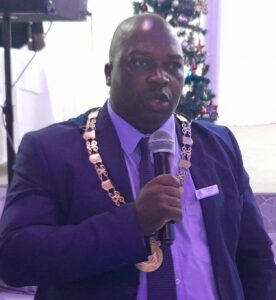


By Flata Kavinga
Midlands Black Rhino Conservancy chairman Ben Manyunyira has expressed concern over rampant poaching, warning that wildlife and natural resources in the country remain under serious threat despite ongoing conservation efforts.
Speaking to journalists on the sidelines of the Midlands Black Rhino Conservancy Awareness Marathon held in Kwekwe on Sunday Manyunyira said the conservancy is battling challenges that undermine its mission to preserve wildlife, trees and soil.
“Most of our challenges are poaching. It is so rampant,” he said. “We have a contingent of monitors under a conservator, and members who are farmers contribute towards conservation and fighting poachers. But the poacher is just like a thief – always ahead of the system – so we have to keep up to date.”
Manyunyira said the conservancy is also working to improve mobility and communication systems in order to meet international conservation standards.
He stressed that protecting natural resources was not only vital for environmental sustainability but also for future generations and economic growth.
“Right from creation, God gave us natural resources for our survival. We don’t have to destroy them but to make sure they are regenerating,” Manyunyira said.
He added, “As a country, we can benefit through wildlife-based tourism, agriculture and other projects that bring foreign currency.”
The conservancy also runs community development programmes such as school infrastructure support, borehole drilling and education initiatives, including the production of reusable sanitary pads.
Manyunyira said the awareness marathon was part of efforts to educate the public on the importance of conservation and to encourage communities to take an active role in protecting natural resources.
“This is a heritage for our children. As the current generation, we have to keep it intact and make sure it grows,” he added.
Meanwhile, Midlands Black Rhino Conservancy Conservator Brilliant Chibura has underscored the importance of raising awareness on wildlife protection, saying new settlers in the area need to understand their role in safeguarding endangered species and the environment.
He made the remarks during an interview with journalists on the sidelines of the Midlands Black Rhino Conservancy Awareness Marathon.
The event, which attracted about 300 runners, was held as part of World Rhino Day commemorations and was run under the theme “Rhino Revolution.”
“The run is a fundraising effort in which we have been coming with a theme: Run the mile, save the rhino. All the proceeds of this marathon go towards rhino conservation,” Chibura said.
He noted that the conservancy is home to the black rhino and several other species including elephants, buffalo, leopards, giraffes and impala. However, he warned that habitat fragmentation caused by unplanned human settlements posed a major threat to conservation efforts.
“In terms of awareness, I would say this is a great opportunity. We have faced in the past habitat fragmentation due to uncoordinated human settlements. This marathon will serve as a great vehicle towards awareness, which helps to protect and serve not only the rhino, but everything in this ecological nation,” Chibura said.
He explained that the commemorations are part of a global effort to protect all five rhino species — the Black Rhino, Javan Rhino, Great White Horned Rhino, Sumatran Rhino and the Indian Rhino — which face varying levels of threat from poaching and loss of habitat.
Chibura said the conservancy hopes the awareness campaigns will encourage communities and new settlers to adopt sustainable practices that preserve the environment and ensure the survival of wildlife for future generations.
“On 22 September each year, the whole world joins hands in commemoration of the five rhino species that we have. As Midlands, we are playing our part through both conservation and awareness,” he said.