
By Flata Kavinga
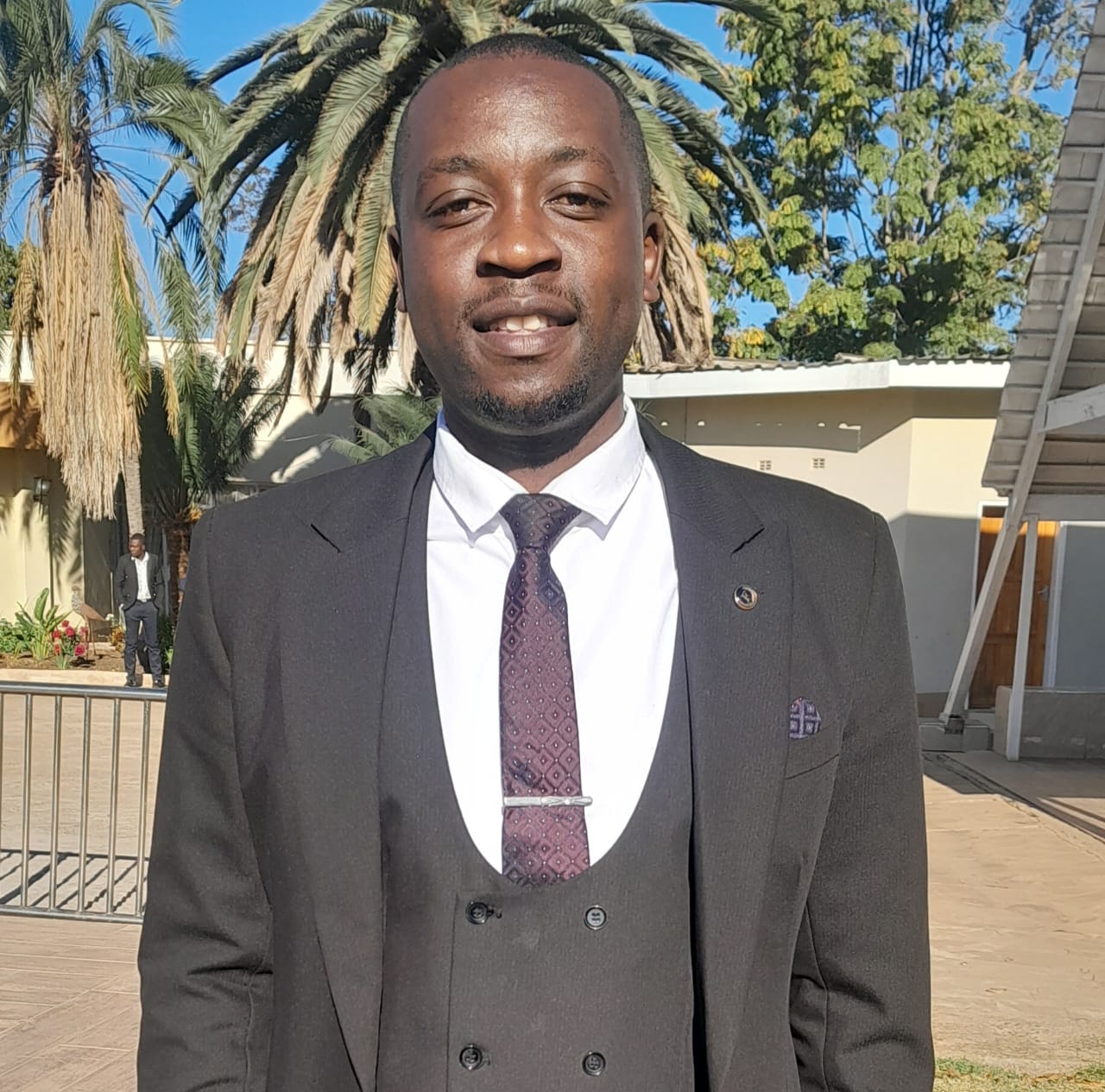
Government medical officer Dr Stanley Mukono has urged men to prioritise their health, saying it is their greatest asset and the foundation upon which families, businesses and communities depend.
Speaking during the Mighty Men Business Seminar held in Kwekwe on Saturday, Dr Mukono said good health should be viewed as an investment rather than an afterthought.
The seminar was officially opened by the Minister of Energy and Power Development, July Moyo.
“Your greatest asset is your health. In everything that we do, the first working capital that you need is your health,” Dr Mukono said.
He said while people routinely insure vehicles, buildings and other property, many neglect to invest in maintaining their own health.
Dr Mukono said poor health affects not only individuals but also their families, ministries, communities and businesses, noting that sound decision-making, consistent leadership and succession planning all depend on a healthy mind and body.
He warned that non-communicable diseases (NCDs) remain one of the biggest health threats because they often develop without obvious symptoms.
Citing global health statistics, Dr Mukono said an estimated 43 million people died from non-communicable diseases in 2021, with around 18 million of those deaths occurring before the age of 70. He said many premature deaths occur in low- and middle-income countries.
He identified hypertension, diabetes, stroke and cancer among the major non-communicable diseases affecting communities.
“In business, illness does not only create a hospital bill. It can remove the breadwinner, stop income, consume savings, destabilise employees and place a burden on families caring for the sick,” he said.
Dr Mukono encouraged men to monitor five key health indicators regularly — blood pressure, blood glucose, cholesterol, weight and kidney function — through qualified healthcare professionals.
He said many deaths attributed to other causes in some communities are, in fact, linked to preventable cardiovascular conditions such as hypertension and stroke, underscoring the importance of routine screening and early detection.
“I encourage everyone to take a proactive role in managing their own health. Don’t be reactive; be proactive,” he said.
Dr Mukono challenged participants to make practical commitments towards improving their health.
He urged them to identify one health check they would undertake, one lifestyle change they would make and one person who would help keep them accountable, saying protecting men’s health was essential to safeguarding families, businesses and the broader vision they carry.