

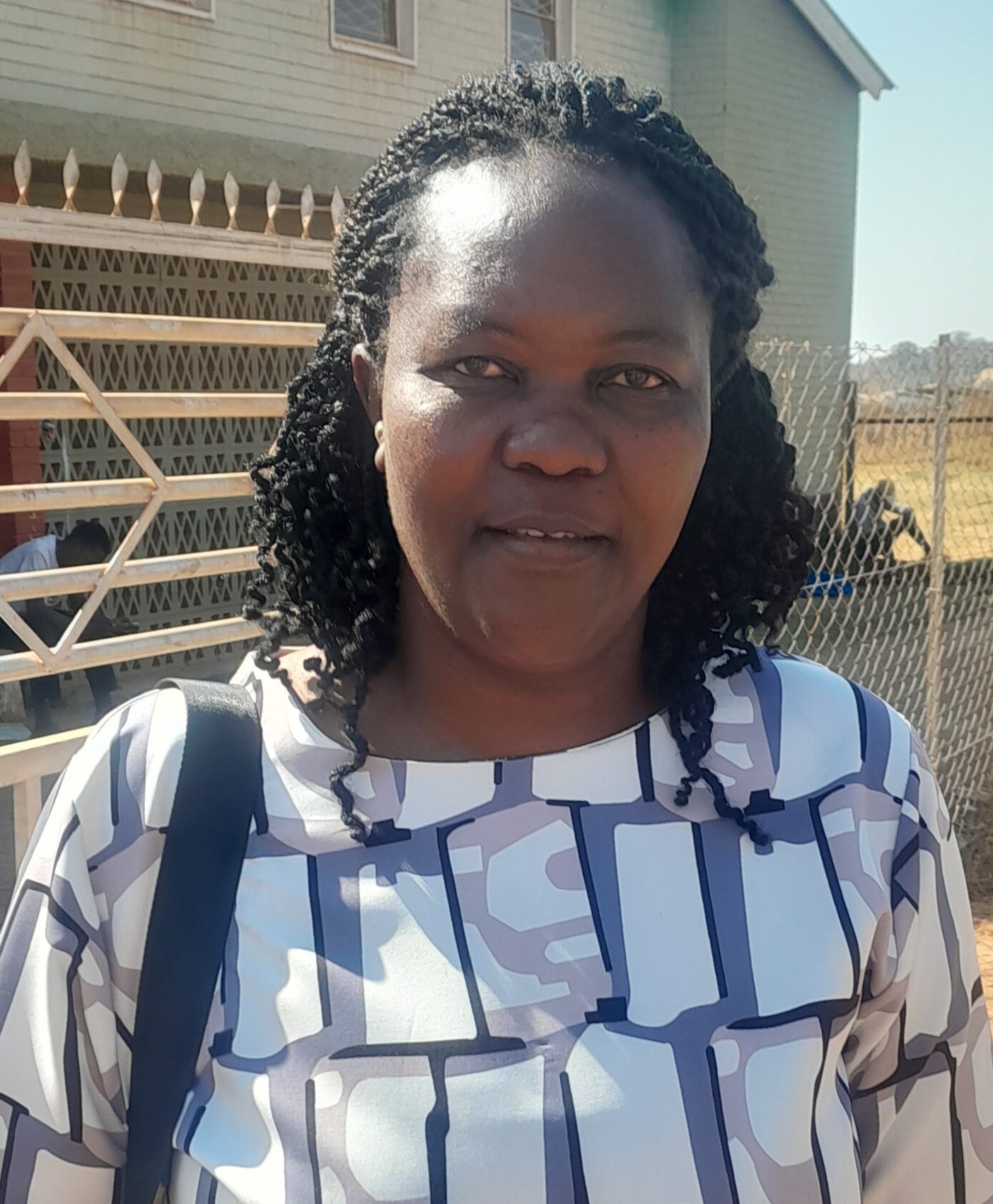
By Flata Kavinga
The City of Kwekwe has expressed concern over rising cases of sexually transmitted infections (STIs), tuberculosis (TB), silicosis and HIV, urging residents to promote healthy behaviours and maintain clean environments to help curb the spread of disease.
Addressing a Ward 8 feedback meeting at Amaveni Hall on Tuesday that was organised by Cllr Edumakomborero Mlambo, acting environmental health officer Zvichauya Muvango said Kwekwe continued to record high numbers of STI cases, placing additional pressure on the city’s health services.
Muvango said council clinics treated about 5,000 STI cases over a three to four-month period, adding that the figure did not include patients treated at government or private health facilities.
She said the city would intensify awareness campaigns on TB, silicosis, HIV, STIs and hygiene to improve public health.
“We have seen a rise in tuberculosis, silicosis, HIV and STI cases. We need to work together as a community to promote good health and maintain clean environments,” said Muvango.
She urged residents to engage the local authority through their councillors or residents’ representatives on issues affecting their communities, including requests for designated flea market sites.
“We can only address these challenges through cooperation. We appeal to residents to keep their environment clean,” he said.
Muvango also encouraged vendors to use designated public toilets and operate from approved trading sites, saying proper sanitation and orderly trading were important in preventing disease outbreaks.
She said environmental cleanliness, effective refuse collection and community participation were key components of the city’s public health strategy.
Muvango added that council officials were accountable for meeting targets under the local authority’s performance contracts, which include public health and waste management indicators.
She called on residents to support council’s efforts to improve environmental health, saying maintaining clean communities would help reduce the burden of communicable diseases and improve the city’s preparedness for public health inspections.