

By Flata Kavinga
Kwekwe City Council has adopted a US$50 million budget for 2026, a financial plan expected to introduce prepaid water meters, reduce interest on unpaid bills and expand benefits for senior citizens.
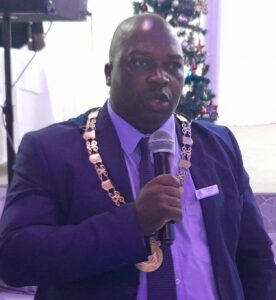
The budget was presented during a special full council meeting by Finance Committee Chairperson Cllr Alex Senge, who said the estimates were crafted to remain “realistic and manageable” amid ongoing socio-economic challenges.
Cllr Senge said the budget aligns with national policy frameworks, including the Government’s “Call to Action” and Vision 2030, and complies with the Public Finance Management Act and the Urban Councils Act.
Prepaid water meters to be introduced
One of the key policy changes in the 2026 budget is the introduction of prepaid water meters, a move Cllr Senge said was driven by continuous calls from residents during budget consultations. The system is expected to improve revenue collection and ensure residents pay for actual water consumption.
Interest on unpaid bills reduced
Responding to concerns from ratepayers, council approved a reduction in interest charged on overdue bills from 5 percent to 3 percent. The adjustment is meant to ease the burden on households struggling with arrears while encouraging regular payments.
Senior citizens to receive expanded benefits
The 2026 budget also provides several benefits for senior citizens as the city finalises its Senior Citizen Policy. These include zero parking fees for registered elderly residents, a 25 percent rebate on property assessment rates for those aged 70 and above and free doctor and clinic consultations at council health facilities.
Cllr Senge said a door-to-door exercise by the Housing Department is underway to compile demographic data necessary for completing the policy framework.
Revenue strategies and fee adjustments
Council will also intensify revenue collection from the mining sector, enhance the use of e-governance platforms and increase stakeholder engagement to support payment compliance.
In line with the national “Ease of Doing Business” directive, council has reduced various licensing and business-related fees. However, the adjustment will result in reduced revenue from licences and bus entry fees.
Residents’ priorities noted
During budget consultations held through meetings and digital platforms, residents raised concerns over water supply, road rehabilitation, refuse collection, street lighting and interest charges on arrears. These issues were incorporated into the final budget.
Call for payment compliance
Cllr Senge stressed that the success of the 2026 budget depends on ratepayers meeting their obligations.
“For successful implementation of the budget, it is crucial that residents and other stakeholders maintain timely payments,” he said.