
By Memory Mudzani
Zimbabwe has laws and policies designed to protect wom but gaps in implementation, access to services and awareness of legal rights continue to make it difficult for some women to access justice and support.
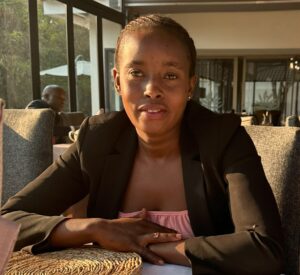
In an interview, Sprout Women Empowerment Trust (SWET) director Caroline Mutimbanyoka said a lack of awareness of legal rights was one of the challenges facing women seeking protection from violence.
“It’s difficult to use a law that you do not understand. Women need to be educated on their legal rights,” said Mutimbanyoka.
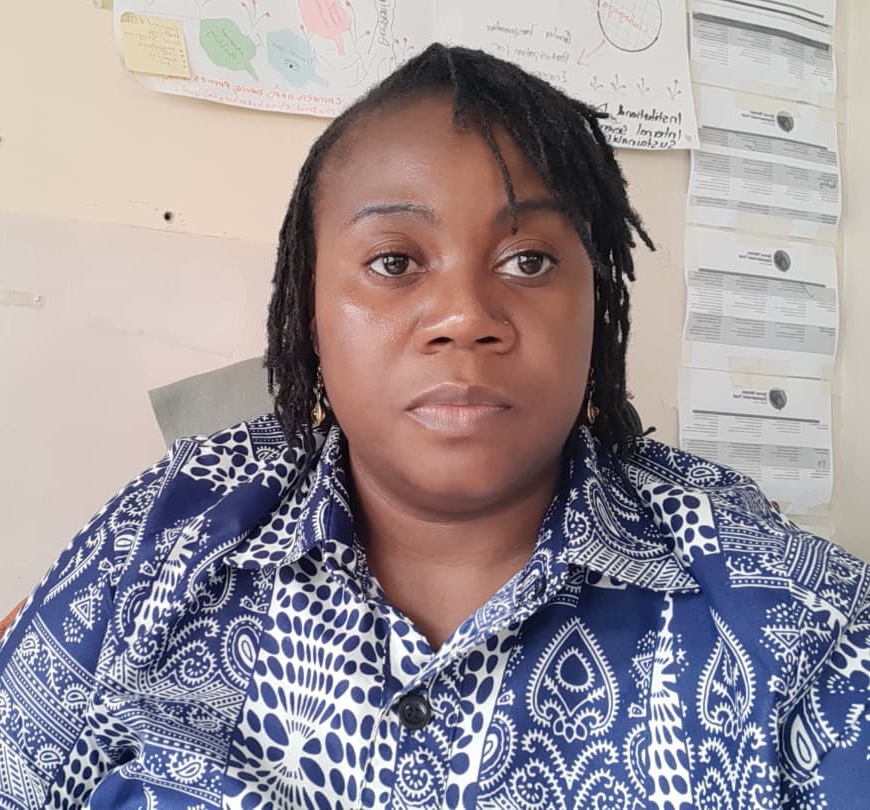
Young Women Empowerment Forum director and founder Tanaka Mugova said although Zimbabwe had laws and policies aimed at protecting women, there was a gap between having such laws and ensuring that women could effectively use them.
“Zimbabwe has important laws, including the Domestic Violence Act but implementation remains a major challenge. One significant gap is that although the Act recognises economic abuse, economic abuse itself is excluded from the offences that attract criminal liability under the Act,” said Mugova.
Mutimbanyoka said reporting and pursuing cases could also be difficult for women, who may spend hours at police stations, make repeated visits, travel to court and lose income while following up their cases.
She said access to justice should not depend on whether a woman could afford transport, legal assistance or time away from work.
“We need to address corruption and unequal access to justice. When a perpetrator has money, connections or access to lawyers while the survivor has very little, the two are not entering the justice system on equal terms,” said Mutimbanyoka.
She said such challenges could discourage women from reporting cases, particularly where they had previously witnessed perpetrators avoid accountability.
Mugova said stronger accountability within institutions was also needed.
“When a woman reports violence and receives no meaningful response, it sends a message that her case does not matter. This is particularly worrying in public spaces where police officers may witness harassment or violence and fail to intervene,” she said.
Mutimbanyoka called for justice systems that were accessible, affordable, timely and accountable, while urging stakeholders to provide women with clear information on their rights, reporting procedures and available support services.
Mugova said Zimbabwe should also place greater emphasis on preventing violence rather than only responding to it after it occurs.
She called for strengthened police services, courts and Victim Friendly Units to improve the response to gender-based violence and ensure that women could access justice.