
By Flata Kavinga
Business Economic Empowerment Federation (BEEF) president Dr Solomon Matsa has alleged that some Zimbabweans who flee to South Africa to evade prosecution are contributing to crime and fuelling hostility towards migrants.
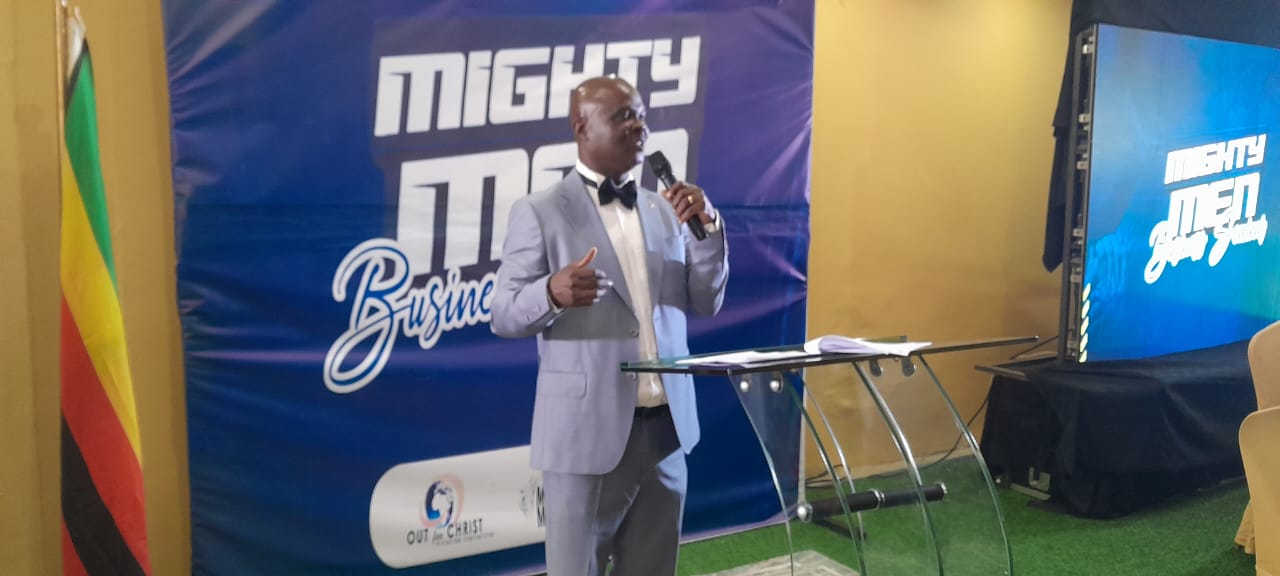
Speaking during the official opening of the Mighty Men Business Seminar in Kwekwe on Saturday officiated by Energy and Power Development Minister July Moyo, Matsa said while many Zimbabweans in South Africa were law-abiding and hardworking, some fugitives had tarnished the country’s image.
“I know so many criminals who ran away from Zimbabwe and came to South Africa because they were scared to go to prison here,” Matsa said.
He alleged that some of those individuals had gone on to commit violent crimes in South Africa.
“They kill people. They are ruthless. Our own people… They do all sorts of things,” he said.
Matsa also claimed that some Zimbabweans engaged in petty crime, saying such offences affected poor communities and contributed to resentment against foreign nationals.
Drawing on his experience of living and doing business in South Africa for nearly 35 years, Matsa said the country’s high unemployment had intensified pressure on communities, making immigration a sensitive issue.
He argued that while migrants are often blamed for social and economic problems, employers who hire undocumented foreign nationals also bear responsibility.
“The real problem is big business. Big businesses employ people who are undocumented, and then the blame shifts to black foreigners,” he said.
Matsa urged Zimbabweans to focus on developing their own country rather than seeking opportunities abroad.
“Let’s love our country. Let’s develop our country. Let’s have solutions for our country,” he said.
He also called on business leaders to uphold honesty, accountability and transparency, saying ethical leadership was essential for sustainable economic growth.
The Mighty Men Business Seminar brought together business leaders, entrepreneurs and church members to discuss business development, leadership and economic empowerment.