
By Memory Mudzani
Organisations raising awareness of breast cancer have urged communities to dispel the misconception that the disease affects women only, warning that men and young people should also be alert to its warning signs.
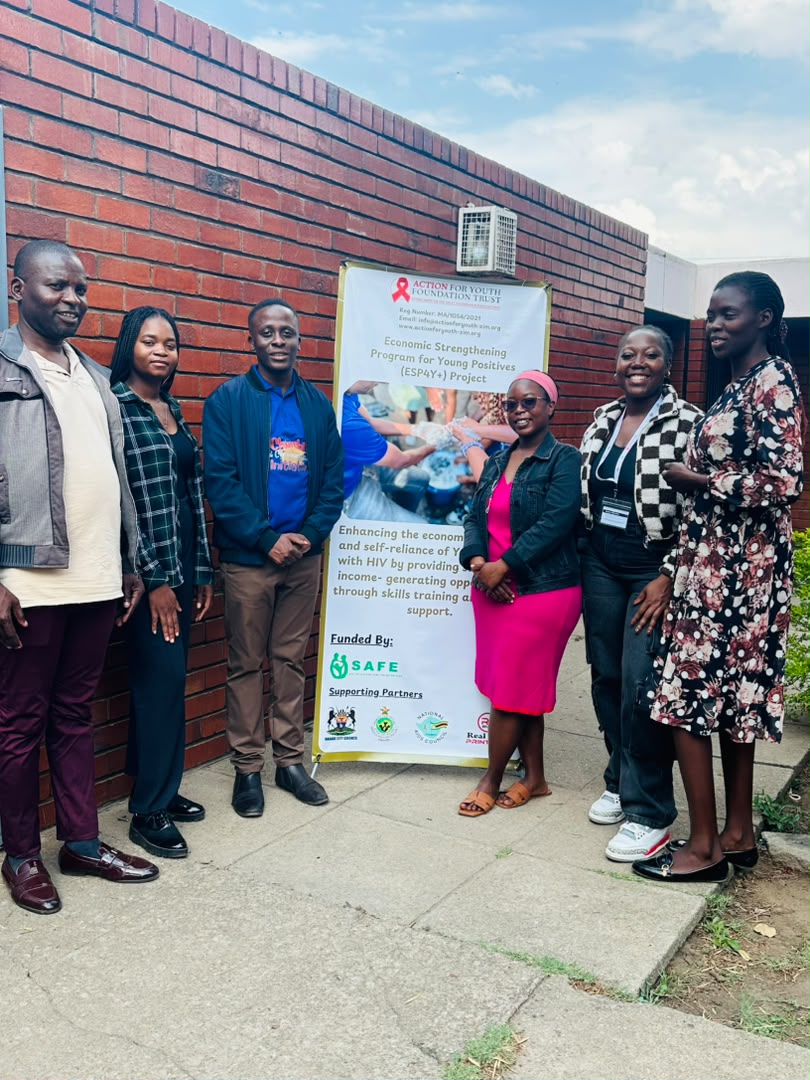
As Zimbabwe joins the world in marking Breast Cancer Awareness Month, Action for Youth Foundation Trust and Women of Africa are calling for greater awareness, early medical assessment and open conversations about breast health to help reduce stigma and delays in seeking treatment.
Action for Youth Foundation Trust executive director Marvin Musekiwa said breast cancer could affect anyone, regardless of gender or socioeconomic background, although women were at significantly greater risk.
“Breast cancer knows no boundaries. It does not discriminate based on gender, age or social or economic background. No one should assume they are completely protected simply because they are young, male or have no known family history of breast cancer,” Musekiwa said.
He said the trust’s 2026 Breast Cancer Awareness Training was aimed at educating communities about the disease and challenging misconceptions that could prevent people from recognising warning signs and seeking medical attention.
“Many people think breast cancer is only for women. At Action for Youth Foundation Trust, we believe health education should reach everyone, regardless of gender,” he said.
Musekiwa urged men to seek prompt medical attention if they noticed unusual changes, including a lump in the breast, changes in the nipple, nipple discharge or changes in the skin around the breast.
He said people should familiarise themselves with the normal appearance and feel of their breasts so they could recognise unusual changes and seek professional medical advice without delay.
“Anyone who notices these changes should visit a qualified healthcare provider promptly, even if the changes are not painful,” he said.
Musekiwa, however, emphasised that breast awareness and self-examination did not replace professional medical assessment or recommended screening tests.
He said fear of a possible cancer diagnosis, stigma, limited knowledge, financial challenges and difficulties accessing healthcare services were among the barriers that could delay people from seeking medical attention.
Some people also mistakenly believed that breast cancer affected only older women or that the absence of pain meant they were healthy, while cultural beliefs and misinformation further complicated awareness efforts.
“Awareness initiatives must go beyond providing information and address the fears and barriers that prevent people from acting on that information,” Musekiwa said.
“Through our 2026 Breast Cancer Awareness Training, we are encouraging communities to speak openly about breast health, challenge misconceptions and seek professional medical advice without fear or shame.”
Meanwhile, Women of Africa director Clifford Obert Chikukutu said the organisation had adopted a community run as a way of raising awareness and encouraging people from different backgrounds to participate in the fight against breast cancer.
She said the initiative offered an inclusive platform for people to come together, learn about breast health and show support for those affected by the disease.
“We chose a run as a way to raise breast cancer awareness because a run brings everyone together. You do not need to be an athlete or rich; you just need to show up,” Chikukutu said.
She said the initiative was designed to reach more people than conventional awareness workshops, allowing families, students and breast cancer survivors to participate.
Chikukutu said combining physical activity with breast cancer education, including information about recognising warning signs, helped make awareness more accessible to communities.
“It does not feel like a scary health lesson; it feels like a celebration of life. Zimbabwe deserves to gather, engage and celebrate,” she said.
Chikukutu urged women, particularly young women, not to allow fear or cultural expectations of silence to prevent them from discussing their health or seeking medical advice.
“To young women, I want to speak directly to you on behalf of Women of Africa: you are not too young to learn about your body and seek medical advice when you notice unusual changes. Do not be afraid to talk about it with your mother or a friend,” she said.
“In Zimbabwe, we are taught to be strong and quiet but when it comes to your health, do not be quiet. Early detection can save a life.”
She said breast cancer should not be treated as a secret, urging communities to discuss the disease openly and support those affected rather than subjecting them to stigma.
“Breast cancer is not a secret we should whisper about. It is real, it is here in Zimbabwe and it is affecting our mothers, sisters and wives,” Chikukutu said.