
Staff Reporter
Zimbabwe is assessing the potential role of nuclear power in its long-term energy mix as the government seeks to strengthen electricity supply security and meet growing demand for reliable and affordable energy.
Deputy Minister of Energy and Power Development Yeukai Simbanegavi said the country was undertaking preliminary work to determine whether nuclear power could contribute to its energy needs, stressing that any decision would be based on evidence and an assessment of the associated costs, risks and obligations.
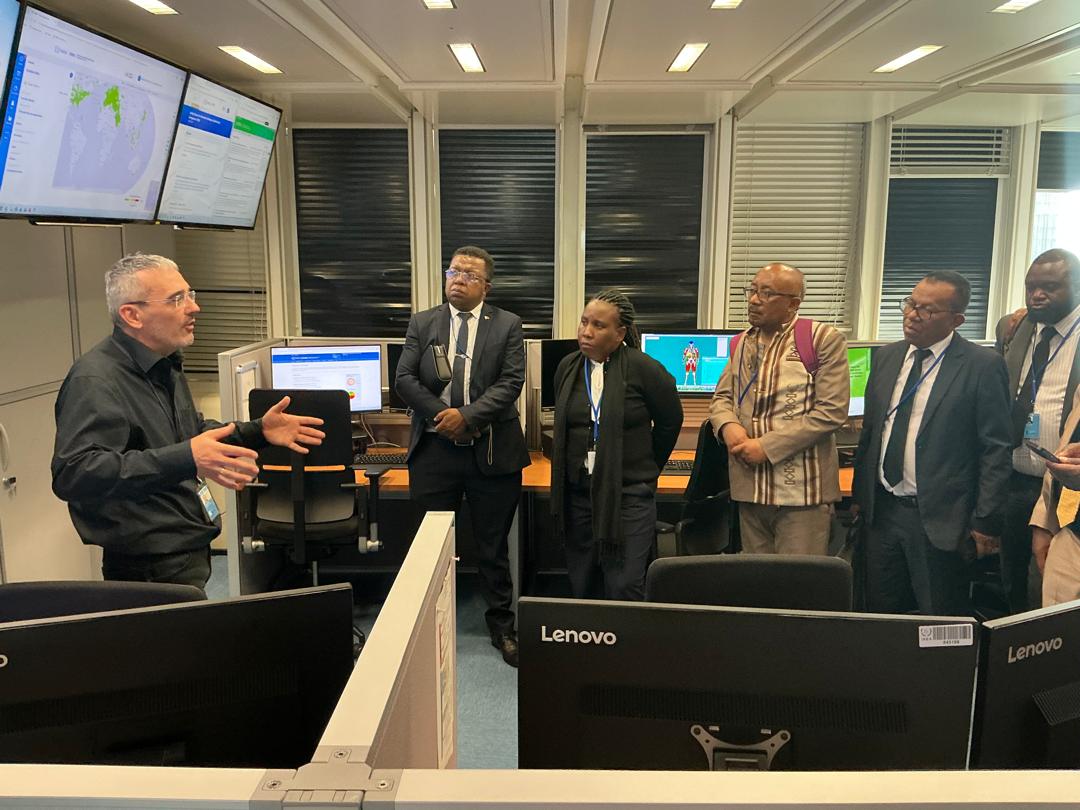
Speaking at the International Atomic Energy Agency (IAEA) High-Level Scientific Visit in Vienna, Austria, on 19 October, Simbanegavi said Zimbabwe was at the pre-Phase 1 stage of the agency’s Milestones Approach to developing a nuclear power programme.
“Our interest is informed by the need to assess its potential contribution to generation adequacy, electricity supply security and the development of a resilient energy system,” she said.
Simbanegavi said the government was prioritising an understanding of the technical, institutional, financial and human resource requirements before making an informed national decision on whether to proceed with a nuclear power programme.
She emphasised that introducing nuclear power was a long-term undertaking that extended beyond building a power station, requiring appropriate legislation, strong institutions, specialised skills and sustained financial commitment.
The programme would also require arrangements for nuclear safety and security, radioactive waste management, emergency preparedness, regulatory oversight and stakeholder engagement.
Zimbabwe’s participation in the scientific visit is intended to deepen its understanding of these requirements and identify areas where it needs technical assistance and capacity-building support from the IAEA.
The programme includes engagements on energy planning, human resource development, industrial participation, legal and regulatory frameworks, financing, radioactive waste management and small modular reactor technologies.
The Zimbabwean delegation is also expected to visit the IAEA’s Seibersdorf Laboratories and the Paks Nuclear Power Plant in Hungary to learn from the agency’s scientific capabilities and the practical experiences of an operating nuclear power programme.
Simbanegavi said Zimbabwe would assess lessons from other countries against its own circumstances, development priorities and available resources.
She identified human resource development as a critical component, noting that a nuclear power programme would require specialised expertise in nuclear science and engineering, regulation, safety, security, waste management, project management and financing.
The deputy minister also stressed the need for a robust legal and regulatory framework to protect public health and safety, safeguard the environment and ensure the peaceful use of nuclear technology.
She said public awareness and stakeholder engagement would be essential to building confidence and supporting informed decision-making.
“As a government, we view this visit not merely as an opportunity to acquire knowledge but as an important step towards strengthening our capacity to make informed decisions about Zimbabwe’s long-term energy future,” Simbanegavi said.
She said the immediate focus was to establish the knowledge, institutions and national capacity needed to assess the feasibility of nuclear power and ensure that any future decision was economically justified and aligned with the country’s development priorities.
Zimbabwe has not yet made a final decision to introduce nuclear power, with the current preparatory process focused on understanding the requirements and implications of such a programme.