

By Admire Chitsungo
The Zimbabwe Prisons and Correctional Service (ZPCS) is being challenged to expand correctional industries in agriculture, construction and manufacturing as part of efforts to strengthen rehabilitation and equip inmates with skills for reintegration into society.
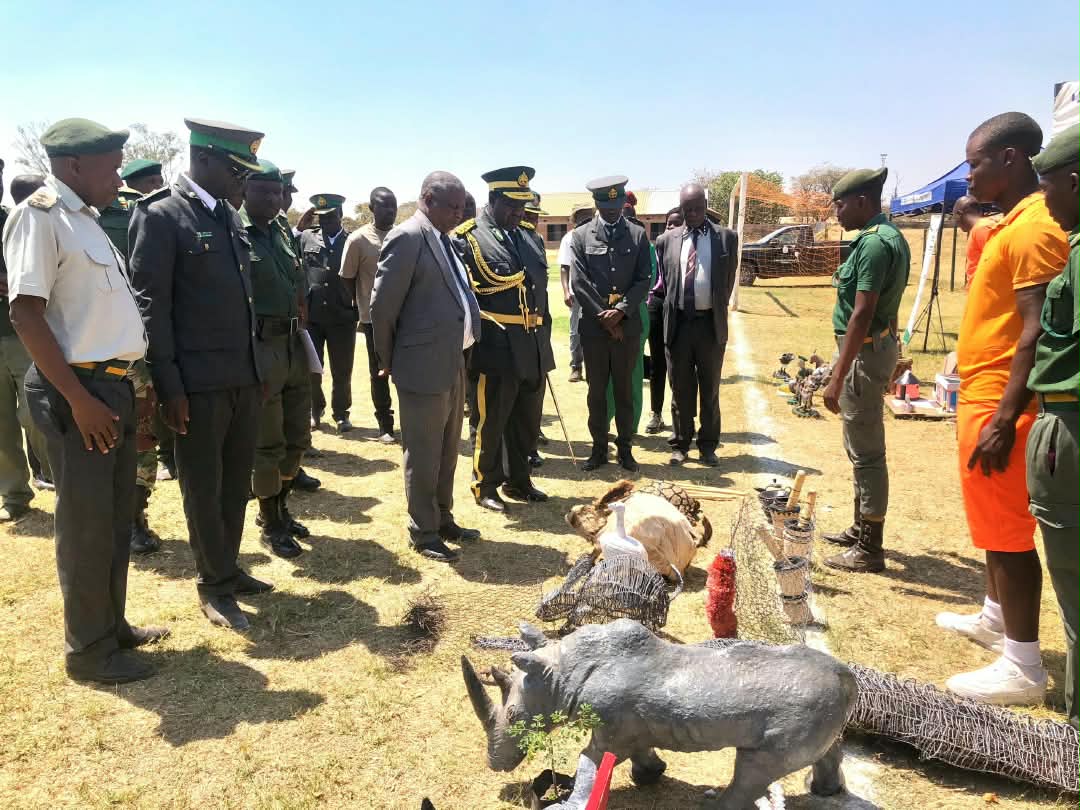
The call was made during the 2026 Prisons and Correctional Service Day commemorations held at Rimuka Stadium in Kadoma under the theme, “From Corrections to Connections: Building Industries Behind Walls.”
Mashonaland West Minister of State for Provincial Affairs and Devolution Marian Chombo said the theme reflected the need for a correctional system that focuses on rehabilitation, skills development and productive activities.
Her speech was read on her behalf by permanent secretary Josphat Jaji.
Chombo said the transformation of ZPCS from a punitive institution into a developmental and rights-based service represented a shift in the country’s approach to corrections.
She said the change from the Zimbabwe Prison Service to the Zimbabwe Prisons and Correctional Service reflected a broader approach centred on human dignity, rehabilitation, innovation and inclusivity.
“As we chart the way forward under National Development Strategy 2 and towards Vision 2030, we recognise the strategic role of ZPCS in industrialisation and economic growth,” she said.
Chombo challenged ZPCS to make greater use of its Building Brigades across the country to complement government’s infrastructure development programmes.
She said the brigades could contribute to the construction of schools, clinics, staff accommodation and other public infrastructure while providing inmates with practical skills.
“Building Brigades also present an opportunity for ZPCS to generate internal revenue while simultaneously providing inmates with practical, certified skills in construction and allied trades,” she said.
The minister also urged ZPCS to increase food production at correctional institutions as part of efforts to improve self-sufficiency and contribute to national food security.
She called for partnerships between ZPCS, farmers, agro-businesses and development partners to increase agricultural production and reduce reliance on government allocations.
“Producing enough food within our institutions does not only meet immediate needs but contributes to national food security and reduces pressure on the fiscus,” she said.
On human capital development, Chombo commended ZPCS for partnering Chinhoyi University of Technology to offer a Bachelor of Science Honours Degree in Correctional Service Management.
She encouraged officers to pursue continuous professional development and in-service training to keep pace with developments in the correctional sector.
“As the world of corrections becomes more dynamic and technologically advanced, we must not be left behind. We must lead from the front,” she said.
The commemorations also highlighted concerns over drug and substance abuse, with Chombo describing the problem as a national challenge requiring coordinated intervention.
She called for collaboration between government, the private sector, civil society, churches, families and communities in prevention, education, rehabilitation and support programmes.
Chombo also urged communities to support the reintegration of former inmates, saying rehabilitation should ultimately lead to successful return to society.
“Rehabilitation is only complete when reintegration is successful,” she said.
She further called on the private sector to partner ZPCS in vocational training, contract manufacturing and skills development, arguing that effective rehabilitation could also contribute to economic development.
“There is a business case for rehabilitation and a national interest in making it work,” she said.
Chombo said the commemorations should mark more than an annual celebration and instead renew commitment towards building a correctional service that is innovative, accountable and focused on rehabilitation.
“Transformation is not a destination but a continuous process. ZPCS is playing its part. Let us therefore all of us as officers, citizens, stakeholders and partners play ours,” she said.