

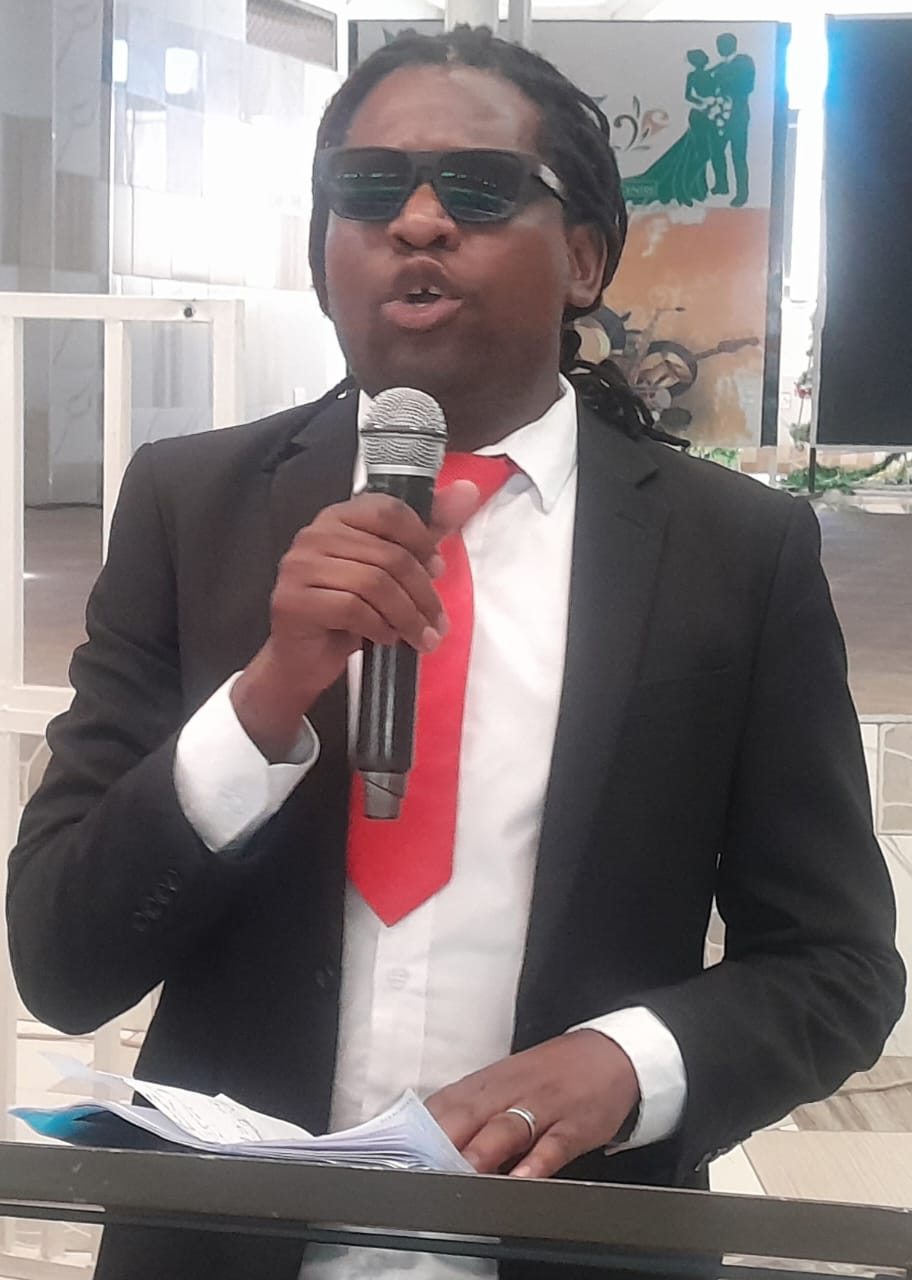
By Flata Kavinga
Kwekwe human rights defender and community advocate Emmanuel Nkosilathi Moyo has appealed to President Emmerson Mnangagwa to suspend the proposed removal of vendors from undesignated trading areas until Government puts in place what he described as a clear and humane national economic strategy.
In a letter dated September 3, Moyo said he was concerned about a reported directive by Local Government and Public Works Minister Daniel Garwe giving vendors an ultimatum to vacate undesignated vending areas by September 9.
Moyo urged the President to temporarily suspend the deadline and facilitate consultations between government, local authorities and vendors before any enforcement action is taken.
He acknowledged government’s responsibility to enforce municipal by-laws and maintain orderly cities but argued that enforcement should be accompanied by viable alternatives for people dependent on informal trading.
“I respectfully appeal to Your Excellency to urgently intervene regarding the reported directive … giving vendors an ultimatum to vacate undesignated vending areas by 9 September 2026,” Moyo said in the letter.
He said the proposed deadline was concerning because it coincided with the back-to-school period, arguing that sudden loss of income could affect some families’ ability to meet education and household expenses.
Moyo also urged authorities to avoid a repeat of the hardships associated with Operation Murambatsvina, saying government should first identify alternative trading spaces and consult affected communities before removing vendors.
Among his proposals are the creation of additional affordable designated vending areas, temporary regularisation of existing vendors while alternative sites are prepared, simplified licensing systems and improved sanitation and security at designated markets.
He also called for reasonable transition periods and relocation assistance where relocation becomes necessary.
Moyo said informal trading should be considered as an economic activity requiring an appropriate policy framework rather than being addressed solely through law enforcement.
He further appealed for engagement with vendors’ associations and residents’ associations in developing arrangements for informal trading.
“Order and livelihoods do not have to be mutually exclusive,” Moyo said, arguing that cities could remain clean and orderly while residents retain access to livelihoods.
He asked Mnangagwa to direct relevant authorities to suspend the September 9 deadline, convene an urgent meeting involving the responsible ministry, local authorities and vendor representatives and develop a national framework for the management and regularisation of informal trading.
Moyo also called for alternative trading spaces to be identified before vendors are removed and for any enforcement action to be lawful, proportionate and humane.
His letter was copied to the Midlands provincial intelligence officer and blind-copied to the Kwekwe district intelligence officer.
The appeal comes amid concerns over the management of informal trading in urban areas, where authorities have sought to balance enforcement of municipal regulations with the livelihoods of people operating outside designated trading spaces.