

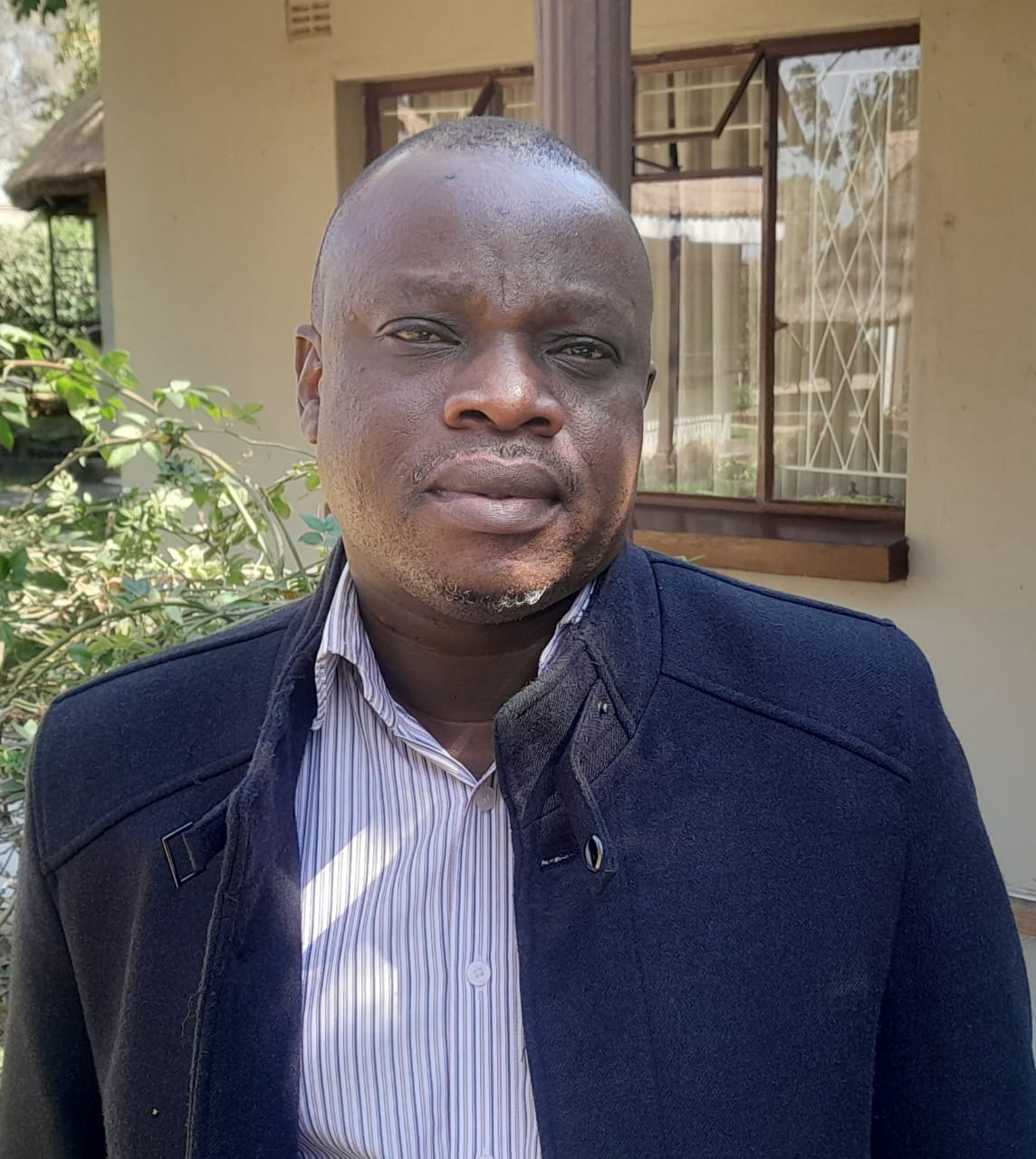
By Flata Kavinga
The Zimbabwe Media Commission (ZMC) says it is engaging media stakeholders to develop strategies aimed at ensuring the long-term sustainability of the country’s media sector amid declining revenues, rising operating costs and changes in audience consumption patterns.
Speaking on the sidelines of the Community Media Sustainability Engagement Workshop organised by the Media Alliance for Zimbabwe (MAZ) in Gweru today, ZMC executive secretary Godwin Phiri said the discussions were focused on identifying practical frameworks to help media organisations remain viable.
Phiri said the media industry was facing significant financial pressures as revenues declined while operational costs continued to increase.
“We’re engaging in discussions and consultations about how we can enhance the sustainability of our media. The key question is how do we ensure that the media survives,” he said.
He said the industry was also experiencing a shift away from traditional media platforms, including print publications, making it necessary to review existing business models.
“We are noting that there is a decline in revenue, costs are increasing, operational costs are increasing, and there is also migration from traditional forms of media like printed copies. The question is what frameworks and strategies can we develop to ensure that our media continues to exist,” Phiri said.
He said a sustainable media sector was essential for ensuring that the public continued to have access to credible information.
“It’s particularly important that media continues to exist because any society that does not have access to information will suffer and struggle,” he said.
Phiri also warned that the weakening of established media organisations could create space for untrained and unqualified individuals to dominate the information landscape, raising concerns about professional standards and ethics.
“We don’t want our media to collapse. We don’t want our media space to be taken over by non-trained people and non-qualified people because that raises issues around ethics and standards,” he said.
He said the commission hoped the ongoing consultations would lead to the development of sustainable systems and strategies to support the future of Zimbabwe’s media industry.