

By Memory Mudzani
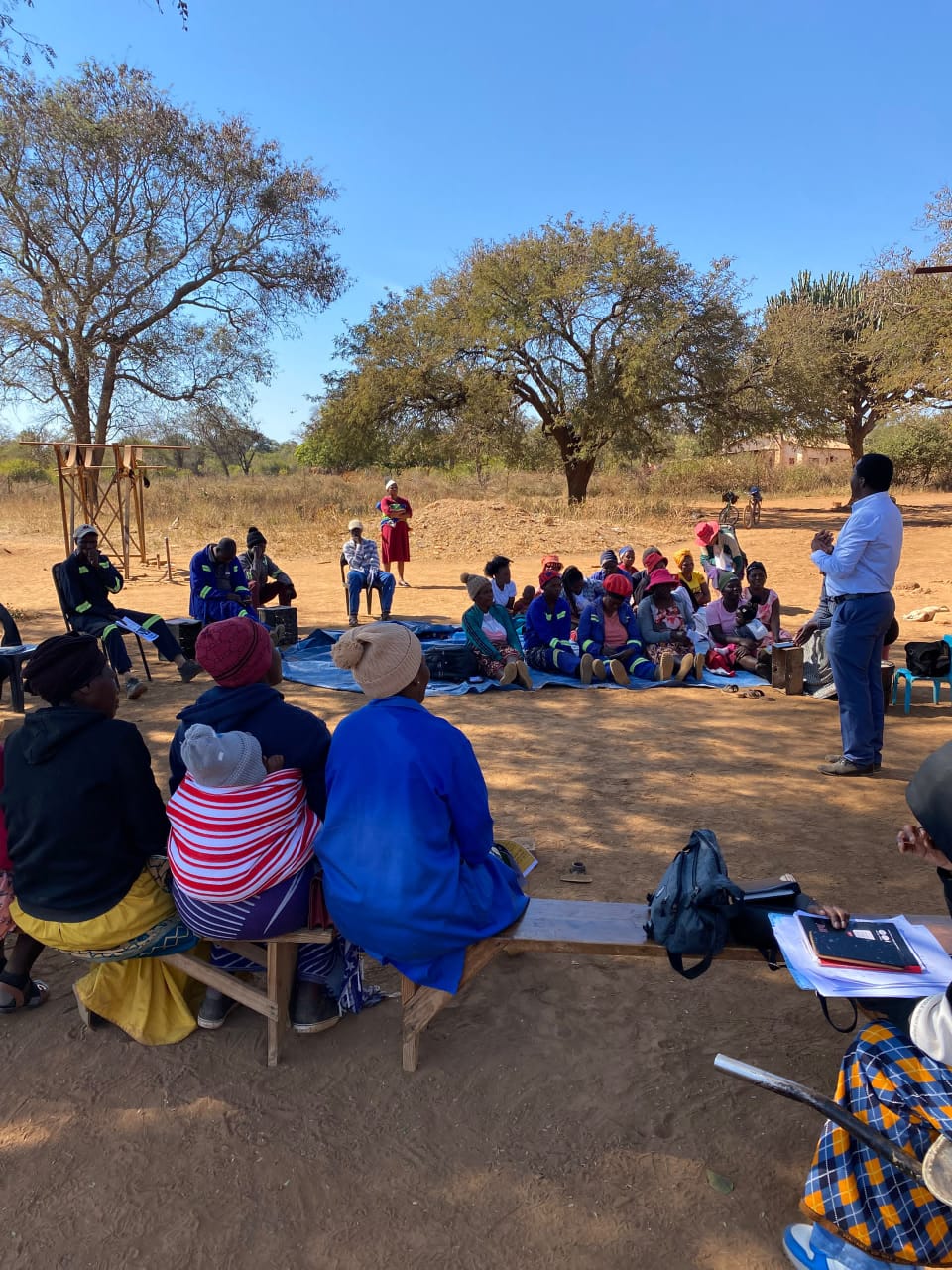
Fifty community champions from Silobela have been trained on administrative justice and the role of the Zimbabwe Human Rights Commission (ZHRC) in handling complaints of maladministration.
The training workshop, held in Mzila Residential Area along the Silobela Road, was organised by the Organisation for Youth-Led Initiatives for Development (OYLID) in partnership with the Alliance for Community-Based Organisations (ACBOs) and the Centre for Applied Legal Research (CALR).
Speaking during the workshop, OYLID director Polite Ndhlovu said the participants included community leaders, among them three village heads and a village chairperson.
“We are training 50 community champions on the role of the Zimbabwe Human Rights Commission as Zimbabwe’s Public Protector, its constitutional and legal mandate, and the procedures for lodging complaints of maladministration so that they can share this knowledge within their communities,” said Ndhlovu.
He said the workshop covered the constitutional right to administrative justice under Section 68 of the Constitution, the ZHRC’s mandate, complaint-handling procedures and the use of alternative dispute resolution mechanisms.
Ndhlovu said residents can submit complaints to the commission by visiting its offices or through its hotline, including telephone calls, SMS and WhatsApp. He noted that Midlands Province is currently served by the ZHRC’s Bulawayo office.
He said administrative justice guarantees every person’s right to lawful, reasonable and procedurally fair administrative conduct and encouraged citizens to report suspected cases of maladministration through the appropriate channels.
During the workshop, Mzila community chairperson Nelson Phiri shared an example in which he said the ZHRC assisted in resolving a delayed pension payment after the matter was reported. He alleged that investigations led to action by the relevant authorities. His account could not be independently verified.
Participants also highlighted challenges they said affect access to the commission’s services. These included poor mobile network coverage, the high cost of travelling to the ZHRC office in Bulawayo and language barriers.
Village head Barista Chariri said transport costs make it difficult for many residents to lodge complaints in person and called for the establishment of a ZHRC office in Kwekwe to improve access to the commission’s services.
Another participant, Pauline Ncube, said residents in her community also face difficulties accessing national identity documents.
She called on the ZHRC to help address what she described as administrative challenges affecting the processing of birth certificates and national identity cards.
The allegations regarding service delivery at the Registrar General’s office could not be independently verified, and the office was not immediately available for comment.